Ho Chi Minh City is often celebrated for its vibrant street life, modern skyline, and dynamic economy. However, beneath its contemporary appearance lies a remarkable collection of colonial-era architecture that tells the story of the city's historical development. Walking through downtown Saigon, visitors can discover elegant French-inspired buildings, tree-lined boulevards, historic hotels, and cultural landmarks that have survived for more than a century.
For architecture enthusiasts, photographers, and history lovers, exploring these colonial structures offers a fascinating glimpse into a period that significantly shaped the city's identity. Many of these buildings remain active today, serving as government offices, cultural venues, luxury hotels, and public institutions while preserving their historical character.
The French Influence on Saigon
French colonial influence began in the mid-nineteenth century when Saigon became one of the most important administrative centers in French Indochina. During this period, urban planners transformed the city by introducing European-style streets, public squares, administrative buildings, churches, and commercial centers.
Wide boulevards replaced many traditional roads, while architectural styles borrowed from Paris and other French cities gave Saigon a distinctly European appearance. This earned the city the nickname "Paris of the East" among some travelers and colonial officials.
Although modern development has changed much of the cityscape, many of these architectural treasures remain remarkably well preserved.
Notre Dame Cathedral of Saigon
No colonial landmark is more iconic than Notre Dame Cathedral of Saigon.
Completed in 1880, the cathedral stands as one of the most recognizable symbols of Ho Chi Minh City. Its distinctive red-brick facade was constructed using materials imported directly from France, while its twin bell towers rise prominently above the surrounding district.
The cathedral's neo-Romanesque design reflects European religious architecture of the nineteenth century. Visitors are often impressed by its symmetry, stained-glass windows, and elegant exterior details.
Located in the heart of District 1, the cathedral serves as both a historical monument and a popular gathering place. Even during restoration periods, the site remains one of the city's most photographed attractions.
Saigon Central Post Office
Directly across from the cathedral stands another architectural masterpiece: the Saigon Central Post Office.
Built between 1886 and 1891, the building remains one of the finest examples of French colonial architecture in Southeast Asia. Its grand facade, arched windows, and decorative details combine European design with local influences.
Inside, visitors encounter a vast hall featuring high vaulted ceilings supported by elegant iron structures. Historic maps, decorative tiles, and vintage telephone booths create a nostalgic atmosphere that transports visitors back to an earlier era.
Despite its historical significance, the building continues to function as a working post office, allowing visitors to experience history while observing everyday life.
Saigon Opera House
The Saigon Opera House, officially known as the Municipal Theatre, is another architectural jewel from the colonial period.
Completed in 1898, the building was inspired by French theaters and showcases elaborate decorative features, sculpted facades, and elegant balconies. Its design reflects the cultural ambitions of colonial Saigon, which sought to establish itself as a sophisticated urban center.
Today, the opera house hosts concerts, theatrical performances, traditional Vietnamese cultural shows, and international productions. Visitors often admire the building during both daytime and evening hours when its illuminated facade becomes particularly striking.
The surrounding area is one of the most attractive locations in downtown Ho Chi Minh City and offers excellent opportunities for photography.
Ho Chi Minh City Hall
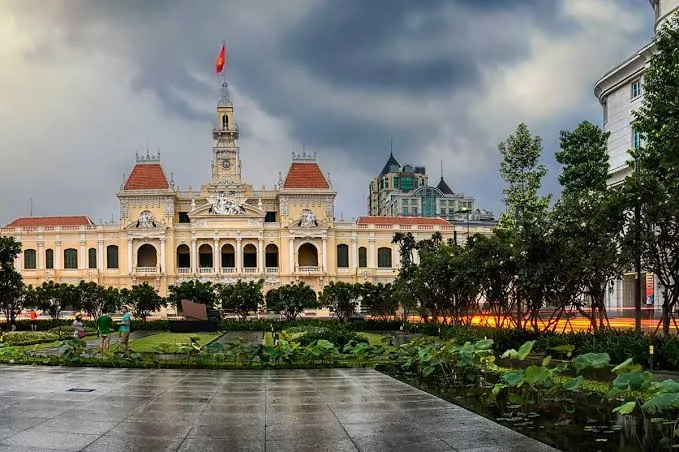
One of the city's most impressive colonial buildings is Ho Chi Minh City Hall.
Constructed in the early twentieth century, the building was designed in the Beaux-Arts style, a popular architectural movement in France during that era. Its elegant facade features decorative sculptures, arched windows, and symmetrical design elements that reflect European civic architecture.
Although the interior is generally not open to tourists, the exterior remains one of the city's most beautiful landmarks. At night, carefully designed lighting highlights the building's intricate details and creates a spectacular visual display.
The area in front of City Hall is also connected to Nguyen Hue Walking Street, making it a popular location for evening strolls and photography.
Hotel Continental Saigon
Few buildings capture the atmosphere of old Saigon as effectively as Hotel Continental Saigon.
Established in 1880, the hotel is one of the oldest continuously operating hotels in Vietnam. Throughout its history, it has hosted diplomats, journalists, writers, and travelers from around the world.
Its elegant colonial architecture, spacious courtyards, and historic interiors provide visitors with a glimpse into the city's past. Even travelers who are not staying at the hotel often visit its cafes and restaurants to experience its timeless atmosphere.
The hotel's location opposite the Opera House places it at the center of many historical and cultural attractions.
Majestic Hotel
Another historic landmark is the Majestic Hotel, located along the Saigon River.
Built in 1925, the hotel combines French colonial architecture with elements of classical European design. Over the decades, it has welcomed politicians, celebrities, and international visitors while maintaining much of its original character.
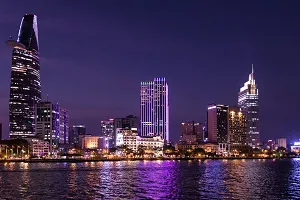
One of the hotel's greatest attractions is its riverside location. Rooftop dining areas provide panoramic views of the Saigon River and the modern skyline beyond, creating a striking contrast between historic architecture and contemporary development.
Dong Khoi Street – A Walk Through History
No exploration of colonial architecture would be complete without walking along Dong Khoi Street.
Formerly known as Rue Catinat during the colonial era, this historic avenue served as the social and commercial heart of Saigon. Today, it remains one of the city's most elegant streets.
Luxury boutiques, historic hotels, cafes, and colonial-era buildings line the avenue, allowing visitors to appreciate the city's architectural heritage while enjoying modern amenities.
Walking along Dong Khoi Street offers a unique opportunity to observe how historical and contemporary elements coexist within the urban landscape.
Best Photography Locations
For photographers, downtown Ho Chi Minh City offers countless opportunities to capture beautiful architectural images.
Some of the most popular photography locations include:
- Notre Dame Cathedral and its surrounding square
- Saigon Central Post Office
- Ho Chi Minh City Hall at night
- Saigon Opera House
- Dong Khoi Street
- Nguyen Hue Walking Street
- Riverside viewpoints near Bach Dang Wharf
Early morning provides softer lighting and fewer crowds, while evening hours allow photographers to capture illuminated landmarks against the city skyline.
A Living Architectural Heritage
The colonial buildings of Ho Chi Minh City are more than historical relics. They continue to serve important functions while connecting modern residents and visitors with the city's past.
Together, these landmarks reveal how different cultures, historical events, and architectural traditions contributed to the development of modern Saigon. Exploring them provides a deeper appreciation for the city's unique identity and demonstrates why Ho Chi Minh City remains one of Southeast Asia's most fascinating urban destinations.
For travelers seeking beauty, history, and culture, the colonial architecture of Ho Chi Minh City offers an unforgettable journey through time.