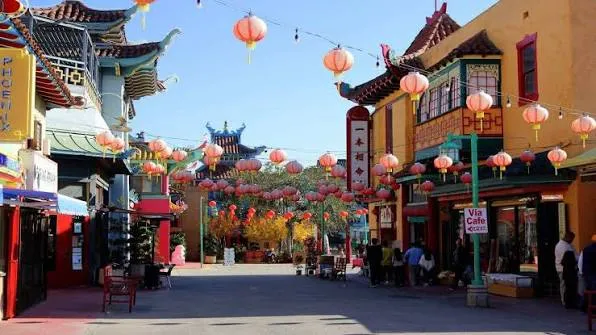
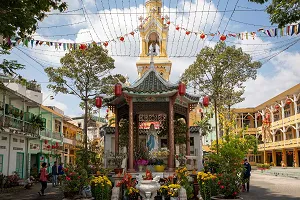
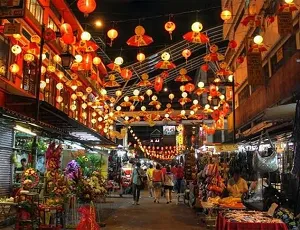
While many visitors focus on District 1 and the modern attractions of Ho Chi Minh City, few realize that one of the city's most fascinating cultural treasures lies just a few kilometers away. Cholon, often referred to as Saigon's Chinatown, is a vibrant district where history, commerce, religion, and culture have blended together for centuries.
Located primarily in Districts 5 and 6, Cholon is one of the largest Chinatowns in Southeast Asia. The district offers a completely different atmosphere from the modern city center, allowing visitors to explore traditional markets, centuries-old temples, narrow alleyways, and authentic Chinese-Vietnamese communities that continue to shape the identity of Ho Chi Minh City today.
For travelers seeking a deeper cultural experience beyond the typical tourist attractions, Cholon is an essential destination.
The History of Cholon
The history of Cholon dates back hundreds of years. Chinese immigrants began settling in southern Vietnam during the seventeenth and eighteenth centuries, establishing trading communities that would eventually become one of the region's most important commercial centers.
Over time, Cholon developed into a thriving economic hub where merchants traded silk, tea, ceramics, medicinal herbs, rice, and countless other goods. Its strategic location near waterways allowed businesses to flourish and helped transform the area into a vital center of commerce.
Even after Ho Chi Minh City expanded and modernized, Cholon maintained much of its unique identity. Today, visitors can still observe many traditions, customs, and architectural styles that reflect the area's Chinese heritage.
Walking Through the Streets of Cholon
One of the best ways to experience Cholon is simply by walking through its streets.
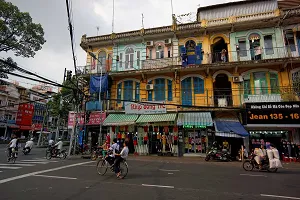
Unlike the wide boulevards and modern buildings of District 1, Cholon is characterized by narrow roads lined with traditional shop houses, local businesses, family-owned restaurants, and colorful signage written in both Vietnamese and Chinese characters.
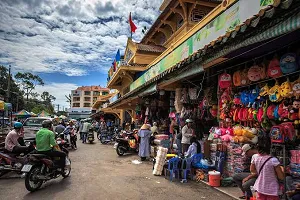
Every street seems to tell a story. Vendors sell dried seafood, herbal medicines, traditional pastries, incense, and religious items. Local residents gather outside cafes, discuss business, and continue daily routines that have remained largely unchanged for generations.
The district feels authentic and lived-in, providing travelers with a glimpse into a side of Ho Chi Minh City that many tourists never see.
Binh Tay Market – The Commercial Heart of Cholon
At the center of Cholon stands Binh Tay Market, one of the largest and most important wholesale markets in Ho Chi Minh City.
Built in the 1920s, the market combines Chinese architectural influences with practical commercial design. Its distinctive yellow facade, central courtyard, and tiled roofs make it one of the most recognizable landmarks in the district.
Unlike Ben Thanh Market, which caters heavily to tourists, Binh Tay Market remains focused on local trade. Vendors sell textiles, household goods, spices, dried foods, tea, and traditional Chinese products.
Walking through the market provides visitors with an authentic look at everyday business life. The atmosphere is lively, energetic, and often surprisingly chaotic in the most fascinating way.
Photographers and culture enthusiasts will find countless opportunities to capture the unique character of the market and its surroundings.
Thien Hau Temple
Among Cholon's many religious landmarks, Thien Hau Temple is perhaps the most famous.
Dedicated to the Chinese sea goddess Mazu, who is believed to protect sailors and fishermen, the temple has served the local community for centuries.
Visitors entering the temple are immediately greeted by the scent of incense and the sight of large spiral incense coils hanging from the ceiling. These coils can burn continuously for weeks and create one of the most memorable visual experiences in the city.
Intricate wood carvings, ceramic sculptures, and ornate decorations showcase traditional Chinese craftsmanship. The temple remains an active place of worship where locals come to pray for health, prosperity, and protection.
Quan Am Pagoda and Spiritual Traditions
Another important religious site in Cholon is Quan Am Pagoda.
Dedicated to the Bodhisattva of Compassion, this beautiful temple attracts worshippers seeking blessings, guidance, and spiritual comfort. The pagoda's peaceful atmosphere contrasts sharply with the busy streets outside.
Visitors can observe traditional rituals, admire elaborate statues, and gain insight into the role religion continues to play in the lives of many local residents.
These temples are not simply historical attractions; they remain living cultural institutions that connect modern communities with centuries-old traditions.
Traditional Chinese Medicine Shops
One of the most distinctive features of Cholon is its concentration of traditional Chinese medicine stores.
Walking through certain streets, visitors will notice shops displaying drawers filled with herbs, roots, dried flowers, mushrooms, and medicinal ingredients. Many of these businesses have operated for generations and continue to serve loyal customers today.
The aromas of herbal products often fill the surrounding streets, creating a sensory experience unlike anywhere else in Ho Chi Minh City.
Even travelers who are unfamiliar with traditional medicine often find these shops fascinating because they provide a glimpse into healthcare practices that have existed for hundreds of years.
A Paradise for Food Lovers
Cholon is also one of the best places in the city to explore Chinese-Vietnamese cuisine.
The district's restaurants and street food stalls serve dishes that reflect generations of cultural exchange between Chinese and Vietnamese communities. Visitors can enjoy dim sum, wonton noodles, roasted duck, steamed buns, herbal soups, and countless regional specialties.
Many eateries are family-owned businesses that have preserved traditional recipes for decades. Unlike tourist-oriented restaurants, these establishments primarily serve local residents, making the experience feel authentic and genuine.
Food enthusiasts often spend an entire day exploring Cholon's culinary scene, moving from one restaurant to another while sampling a wide variety of dishes.
Hidden Architectural Gems
Beyond its temples and markets, Cholon is home to numerous historic buildings that showcase unique architectural styles.
Traditional Chinese shop houses, colonial-era structures, and community halls can be found throughout the district. Many buildings feature decorative balconies, carved wooden doors, colorful ceramic artwork, and detailed facades that reflect both Chinese and Vietnamese influences.
These architectural details reveal the district's long history and demonstrate how different cultures have contributed to the development of modern Ho Chi Minh City.
Why Cholon Should Be on Your Itinerary
While many visitors spend most of their time in District 1, Cholon offers a completely different perspective on Ho Chi Minh City. Its rich history, vibrant markets, religious landmarks, culinary traditions, and cultural diversity make it one of the most rewarding areas to explore.
For travelers interested in authentic local experiences, Cholon provides an opportunity to move beyond the typical tourist attractions and discover a side of the city that remains deeply connected to its heritage.
A visit to Cholon is not simply a sightseeing excursion—it is a journey through the cultural history that helped shape one of Southeast Asia's most dynamic cities.