Ho Chi Minh City is not only Vietnam's largest economic and cultural center but also one of the country's most significant historical destinations. Many of the city's landmarks played important roles during the Vietnam War, making it an essential place for travelers who want to better understand Vietnam's modern history.
From underground tunnel networks and former government buildings to museums and memorial sites, Ho Chi Minh City offers numerous opportunities to explore the events that shaped the nation during the twentieth century. These locations provide valuable historical context and help visitors gain a deeper appreciation for Vietnam's resilience, determination, and remarkable journey toward peace and development.
For history enthusiasts, visiting these war-era sites is often one of the most meaningful experiences in Vietnam.
Understanding Ho Chi Minh City's Wartime Importance
During the Vietnam War, Saigon served as the capital of South Vietnam and became one of the most strategically important cities in Southeast Asia.
Political decisions, military operations, diplomatic activities, and major historical events were centered in the city throughout the conflict. As a result, many locations in present-day Ho Chi Minh City remain closely connected to this significant period in history.
Today, these sites serve as educational attractions where visitors can learn about different perspectives, historical events, and the long-lasting impact of war on Vietnamese society.
Exploring these landmarks helps travelers better understand how modern Vietnam emerged from decades of conflict and transformed into one of Asia's fastest-growing nations.
Cu Chi Tunnels – Vietnam's Most Famous Wartime Site
Located approximately 70 kilometers northwest of Ho Chi Minh City, the Cu Chi Tunnels are among Vietnam's most visited historical attractions.
This extensive underground network stretched for hundreds of kilometers and served as a vital base for military operations during the war. The tunnels included living quarters, storage facilities, hospitals, kitchens, communication centers, and escape routes.
Visitors can explore preserved sections of the tunnel system and learn how soldiers and civilians lived underground under extremely challenging conditions. Exhibits demonstrate camouflage techniques, defensive strategies, and the remarkable ingenuity used to survive during wartime.
Many guided tours also provide historical explanations that help visitors understand the strategic significance of the tunnel network.
For many travelers, the Cu Chi Tunnels offer one of the most fascinating and memorable insights into Vietnam's wartime history.
Reunification Palace – Witness to a Historic Moment
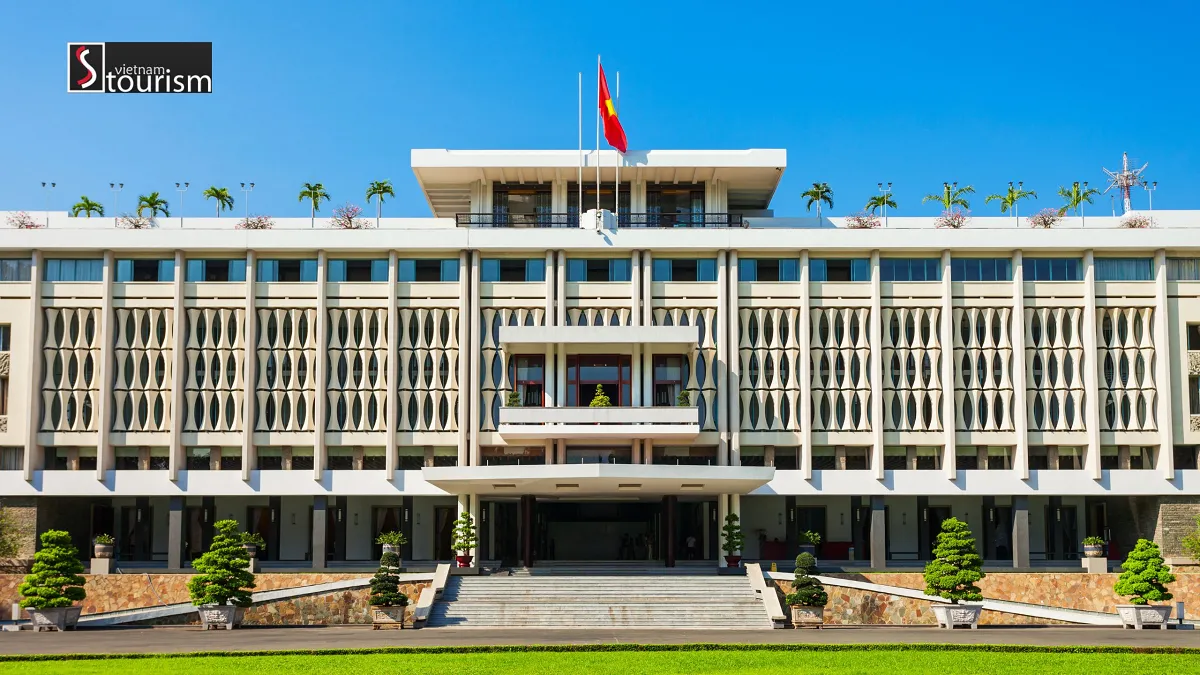
Few buildings in Vietnam hold as much historical significance as the Reunification Palace.
Originally known as the Independence Palace, the building served as the residence and workplace of South Vietnam's president during the war. On April 30, 1975, tanks entered the palace grounds, marking the end of the conflict and the reunification of Vietnam.
Today, the palace has been preserved as a historical monument and museum. Visitors can explore conference rooms, reception halls, living quarters, underground command bunkers, and communication centers that remain largely unchanged since the 1970s.
Walking through the palace allows visitors to step directly into a location where major political decisions and historic events took place.
The rooftop helicopter pad and preserved war rooms are particularly popular among history enthusiasts.
War Remnants Museum
The War Remnants Museum remains one of the most important historical institutions in Ho Chi Minh City.
Its exhibitions document the human impact of war through photographs, personal stories, military artifacts, and historical records. The museum presents extensive information about the conflict and its consequences for both Vietnam and the international community.
Visitors can view military vehicles, aircraft, and armored equipment displayed outside the museum, while indoor exhibits provide deeper insight into wartime experiences and reconstruction efforts.
The museum encourages reflection and promotes a greater understanding of the importance of peace and international cooperation.
As one of the most visited museums in Vietnam, it continues to play a crucial role in preserving historical memory.
Historic Streets and Colonial Buildings
Many locations throughout downtown Ho Chi Minh City played important roles during the wartime period.
Historic hotels, government buildings, and former diplomatic facilities served as centers for political meetings, media operations, and international negotiations. Some buildings became famous gathering places for journalists reporting on developments during the conflict.
Walking through District 1 today, visitors can still observe many structures that witnessed significant historical events. Although the city has modernized dramatically, traces of its wartime past remain visible within its urban landscape.
Guided historical tours often highlight these locations and provide fascinating stories about their roles during the conflict.
The Role of Journalists During the War
Ho Chi Minh City was once one of the world's most important centers for wartime journalism.
International correspondents from newspapers, television networks, and news agencies were based in Saigon, documenting events and reporting developments to global audiences.
Several historic buildings associated with foreign media organizations still exist today. These sites help illustrate the critical role journalism played in shaping international understanding of the conflict.
Visitors interested in media history often find this aspect of the city's past particularly fascinating.
Day Trips That Reveal More History
Beyond the city center, several nearby destinations provide additional opportunities to explore Vietnam's wartime history.
The Cu Chi Tunnels remain the most popular option, but many organized tours combine historical attractions with visits to rural communities and cultural sites. These excursions help travelers understand how both urban and rural areas were affected by the conflict.
Many tour operators also include educational presentations and expert guides who provide valuable historical context throughout the journey.
These day trips offer a broader perspective on the events that shaped modern Vietnam.
Understanding Vietnam's Journey of Recovery
While war-related attractions focus on historical events, they also highlight Vietnam's remarkable recovery and development.
Over the decades, the country has transformed itself into a thriving destination known for its economic growth, cultural richness, and international engagement. Modern Ho Chi Minh City stands as a powerful example of resilience and progress.
Visitors who explore historical sites often gain a greater appreciation for the achievements of contemporary Vietnam and the determination of its people.
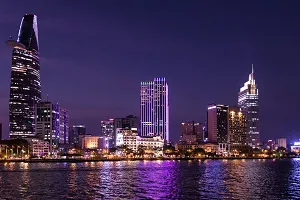
The contrast between wartime history and the city's modern skyline creates one of the most compelling narratives in Southeast Asia.
Tips for Visiting Historical Sites
When visiting war-era attractions, it is helpful to allocate sufficient time for reading exhibits and understanding historical context. Guided tours can significantly enhance the experience by providing explanations that may not be immediately apparent from displays alone.
Visitors should approach these sites with respect, as many exhibits address sensitive topics and commemorate significant historical events.
Bringing water, wearing comfortable footwear, and visiting early in the day can also improve the overall experience, particularly during warmer months.
Discovering the History Behind Modern Vietnam
Ho Chi Minh City's wartime landmarks offer far more than historical facts and preserved buildings. They tell stories of courage, hardship, resilience, and transformation that continue to shape Vietnam today.
From the underground passages of the Cu Chi Tunnels to the historic halls of the Reunification Palace, these sites provide valuable insights into one of the most significant periods in modern Vietnamese history.
For travelers seeking a deeper understanding of Vietnam, exploring these war-era landmarks is an essential part of the journey. They reveal not only the challenges of the past but also the remarkable spirit that helped build the vibrant and dynamic nation visitors encounter today.