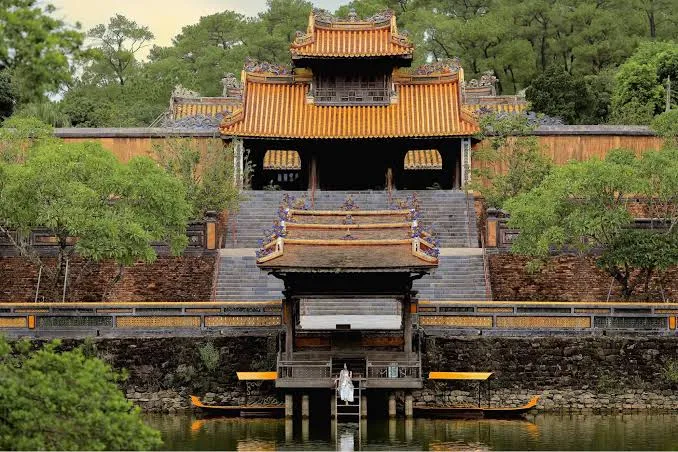
One of the most fascinating experiences in Hue is exploring the royal tombs of the Nguyen Dynasty. Scattered throughout the peaceful countryside surrounding the city, these magnificent mausoleums are far more than burial sites. They are masterpieces of architecture, landscape design, philosophy, and royal legacy.
Each emperor built his tomb during his lifetime, creating a unique reflection of his personality, beliefs, and vision of the afterlife. As a result, every royal tomb in Hue has its own distinct atmosphere and architectural style.
For travelers with limited time, the biggest question is often: Which tomb should you visit? Minh Mang Tomb, Tu Duc Tomb, or Khai Dinh Tomb?
This guide compares Hue's most famous royal tombs and helps you decide which one deserves a place on your itinerary.
Why Are Hue's Royal Tombs So Special?
The royal tombs are among the most important monuments of the Nguyen Dynasty, Vietnam's last imperial dynasty, which ruled from 1802 to 1945.
Unlike traditional cemeteries, these complexes were designed as miniature royal cities featuring:
- Palaces
- Temples
- Pavilions
- Gardens
- Lakes
- Courtyards
- Ceremonial structures
The tombs combine architecture, nature, spirituality, and Feng Shui principles to create harmonious environments intended to honor the emperor for eternity.
Today, they form an important part of the UNESCO-listed Complex of Hue Monuments.
Minh Mang Tomb: The Perfect Harmony of Nature and Architecture
Overview
Built between 1840 and 1843, Minh Mang Tomb is widely regarded as the most balanced and beautiful royal tomb in Hue.
Emperor Minh Mang was known for his strong leadership, Confucian values, and appreciation of order and harmony. These qualities are reflected throughout the tomb's design.
Architectural Highlights
The complex contains more than 40 structures connected by pathways, bridges, and courtyards.
Visitors will discover:
- Symmetrical layouts
- Lotus-filled lakes
- Elegant gates
- Traditional temples
- Stone statues
- Peaceful gardens
Every structure appears perfectly aligned with the surrounding landscape.
Atmosphere
Minh Mang Tomb offers a serene and tranquil atmosphere.
Unlike more crowded attractions, visitors often find themselves surrounded by birdsong, pine trees, and quiet reflections.
It feels less like a historical monument and more like a peaceful retreat.
Best For
Minh Mang Tomb is ideal for:
- Nature lovers
- History enthusiasts
- Photographers
- Travelers seeking tranquility
- Visitors interested in traditional Vietnamese architecture
Pros
- Beautiful natural setting
- Elegant symmetry
- Less crowded
- Excellent photography opportunities
- Strong historical significance
Cons
- Larger walking distances
- Fewer ornate decorations than Khai Dinh Tomb
Tu Duc Tomb: The Emperor's Poetic Retreat
Overview
Built between 1864 and 1867, Tu Duc Tomb reflects the artistic and romantic personality of Emperor Tu Duc.
The emperor loved poetry, literature, and peaceful surroundings. Rather than simply a burial site, he designed the complex as a retreat where he could relax during his lifetime.
Architectural Highlights
The tomb features:
- Large lakes
- Shaded gardens
- Traditional pavilions
- Stone pathways
- Elegant courtyards
The natural landscape plays a central role in the overall design.
Historical Significance
Emperor Tu Duc spent much of his life facing political challenges and foreign pressures.
The peaceful environment of his tomb offered him an escape from the burdens of ruling the country.
Many poems composed by the emperor were inspired by the scenery surrounding the complex.
Atmosphere
Tu Duc Tomb feels romantic, graceful, and contemplative.
The combination of water, trees, and historic architecture creates one of the most charming settings in Hue.
Best For
This tomb is perfect for:
- Couples
- Cultural travelers
- Literature enthusiasts
- Landscape photographers
- Visitors interested in royal lifestyles
Pros
- Beautiful lakes and gardens
- Relaxing atmosphere
- Rich historical stories
- Excellent walking environment
- Strong cultural significance
Cons
- Some structures are less visually dramatic than Khai Dinh Tomb
- Can be busy during peak tourism periods
Khai Dinh Tomb: Hue's Most Spectacular Royal Monument
Overview
Completed in 1931, Khai Dinh Tomb is perhaps the most visually striking royal tomb in Hue.
Unlike the traditional Vietnamese designs seen in Minh Mang and Tu Duc Tombs, Khai Dinh embraced European influences and modern construction techniques.
The result is one of the most unique architectural landmarks in Vietnam.
Architectural Highlights
The tomb combines:
- Vietnamese architecture
- French influences
- Gothic elements
- Baroque details
- Asian symbolism
Visitors climb a grand staircase leading to the main structure, creating an impressive first impression.
The Main Hall
The highlight of the complex is the interior of Thien Dinh Palace.
Inside, visitors can admire:
- Intricate ceramic mosaics
- Colorful glass artwork
- Detailed dragon decorations
- Elaborate ceiling paintings
- The emperor's bronze statue
The craftsmanship is extraordinary and unlike anything else in Hue.
Atmosphere
Khai Dinh Tomb feels dramatic, luxurious, and grand.
The dark stone exterior contrasts sharply with the vibrant and richly decorated interior.
Every corner showcases remarkable artistic detail.
Best For
Khai Dinh Tomb is ideal for:
- First-time visitors
- Architecture enthusiasts
- Photographers
- Social media travelers
- Visitors with limited time
Pros
- Most visually impressive tomb
- Exceptional interior decoration
- Unique architectural style
- Easy to explore in a short visit
- Highly photogenic
Cons
- Smaller grounds
- Less natural scenery
- Often crowded
Comparison: Which Tomb Should You Choose?
| Feature | Minh Mang Tomb | Tu Duc Tomb | Khai Dinh Tomb |
|---|---|---|---|
| Architecture | Traditional | Traditional | Mixed European & Vietnamese |
| Natural Scenery | Excellent | Excellent | Moderate |
| Photography | Excellent | Very Good | Outstanding |
| Historical Value | High | High | High |
| Decorative Detail | Moderate | Moderate | Exceptional |
| Crowd Levels | Lower | Medium | Higher |
| Walking Distance | Longer | Medium | Short |
| First-Time Visitors | Great | Great | Best Choice |
If You Only Have Time for One Tomb
Choose Khai Dinh Tomb If:
- You want the most spectacular architecture.
- You enjoy photography.
- You have limited time.
- You prefer dramatic visual experiences.
Choose Minh Mang Tomb If:
- You love nature.
- You prefer peaceful surroundings.
- You enjoy traditional Vietnamese culture.
- You want a less crowded experience.
Choose Tu Duc Tomb If:
- You appreciate poetry and history.
- You enjoy scenic gardens.
- You want to understand the personal life of an emperor.
- You prefer a romantic atmosphere.
Should You Visit All Three Tombs?
Absolutely.
Each tomb tells a different story about the emperor who built it and reflects a different period of the Nguyen Dynasty.
Many travelers consider visiting all three tombs one of the highlights of their trip to Hue.
The combination offers:
- Diverse architecture
- Rich historical insights
- Beautiful landscapes
- Outstanding photography opportunities
A half-day or full-day tomb tour is often the most convenient way to explore them.
Travel Tips for Visiting Hue's Royal Tombs
- Start early to avoid the midday heat.
- Wear comfortable walking shoes.
- Bring water and sunscreen.
- Allow at least 1–2 hours per tomb.
- Consider hiring a guide for historical context.
- Combine your visit with Thien Mu Pagoda and the Imperial City.
- Visit during the dry season for the best photography conditions.
Final Thoughts
The royal tombs of Hue are among Vietnam's greatest cultural treasures. Whether you're drawn to the harmony of Minh Mang Tomb, the elegance of Tu Duc Tomb, or the grandeur of Khai Dinh Tomb, each site offers a unique window into the lives and legacies of Vietnam's emperors.
For travelers seeking history, architecture, culture, and photography, these remarkable monuments are essential stops on any Hue itinerary. If possible, visit all three to fully appreciate the diversity and beauty of Hue's imperial heritage.