Sapa is one of Vietnam's most iconic mountain destinations, attracting travelers with its breathtaking rice terraces, ethnic minority villages, cool climate, and stunning mountain landscapes. For first-time visitors, a 3-day, 2-night itinerary is the perfect amount of time to experience the highlights while still enjoying a relaxed pace.
This travel guide covers the ideal Sapa itinerary, including the best attractions, local food, cultural experiences, and practical travel tips to help you make the most of your trip.
Why Choose a 3 Days 2 Nights Sapa Trip?
Many travelers wonder how much time they should spend in Sapa.
Three days and two nights provide enough time to:
- Visit Fansipan Peak
- Explore ethnic villages
- Experience local culture
- Enjoy trekking routes
- Taste regional cuisine
- Watch sunrise and sunset viewpoints
- Discover Sapa Town
Without feeling rushed, you'll be able to experience the best of northern Vietnam's mountain paradise.
Day 1: Arrive in Sapa and Explore the Town
Morning: Travel to Sapa
Most visitors travel from Hanoi to Sapa by:
Limousine Bus
- Comfortable seating
- Direct routes
- Travel time: 5–6 hours
Sleeper Bus
- Budget-friendly
- Overnight options available
Private Car
- Flexible schedule
- Scenic journey
Arriving in the morning allows you to maximize your first day.
Check Into Your Hotel or Homestay
Popular accommodation areas include:
- Sapa Town Center
- Cat Cat Village
- Lao Chai
- Ta Van
Choose a mountain-view room if possible, as the scenery is one of Sapa's greatest attractions.
Afternoon: Visit Cat Cat Village
Located just 2 kilometers from the town center, Cat Cat Village is one of the easiest attractions to explore on your first day.
Highlights
- Traditional Hmong culture
- Waterfalls
- Rice terraces
- Handicraft shops
- Scenic walking paths
The downhill walk into the village offers excellent photography opportunities.
Evening: Sapa Night Market and Local Food
After returning to town, spend the evening exploring the lively atmosphere of Sapa.
Must-Try Foods
- Grilled skewers
- Salmon hotpot
- Sturgeon hotpot
- Bamboo-tube rice
- Roasted chestnuts
The cool mountain weather makes local barbecue particularly enjoyable.
Day 2: Fansipan Peak and Mountain Adventures
Early Morning: Fansipan Peak
Start your day early and head to Fansipan, the highest mountain in Vietnam.
Journey to the Summit
- Muong Hoa Mountain Train
- Fansipan Cable Car
- Summit train or stair climb
The entire experience typically takes several hours.
Explore the Summit Attractions
Fansipan Summit Marker
The iconic symbol of reaching the Roof of Indochina.
Giant Buddha Statue
One of Vietnam's largest mountain Buddha statues.
Buddhist Spiritual Complex
Featuring temples, pagodas, and sacred monuments.
Sea of Clouds
If weather conditions are favorable, you'll witness one of the most spectacular cloud views in Southeast Asia.
Lunch with Mountain Views
After descending, enjoy lunch at a local restaurant.
Recommended dishes include:
- Salmon hotpot
- Grilled mountain pork
- Stir-fried vegetables
- Local mushrooms
Afternoon: Ham Rong Mountain
Located near the town center, Ham Rong Mountain offers:
- Flower gardens
- Scenic viewpoints
- Orchid displays
- Panoramic views of Sapa
The short hike makes it an excellent complement to your Fansipan adventure.
Sunset at O Quy Ho Pass
End your day with one of the most beautiful sunsets in northern Vietnam.
Why Visit
- Spectacular mountain scenery
- Golden light
- Photography opportunities
- Cloud formations
The pass is often called the "King of Mountain Passes" for good reason.
Day 3: Trekking Through Muong Hoa Valley
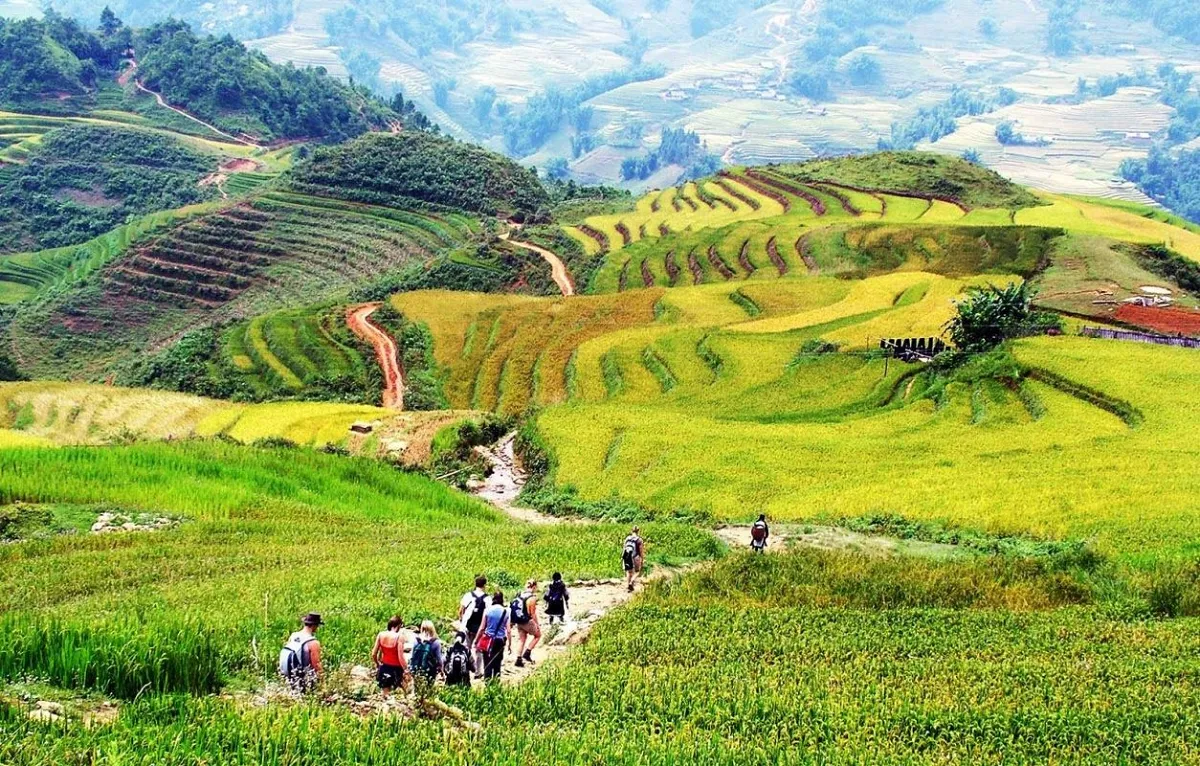
Morning: Trek to Lao Chai and Ta Van
Your final day should focus on experiencing the landscapes and culture that make Sapa world-famous.
Trekking Route
Sapa Town → Y Linh Ho → Lao Chai → Ta Van
This route offers:
- Rice terraces
- Mountain views
- Local villages
- Cultural experiences
Explore Local Communities
The villages are home to several ethnic minority groups, including:
Black Hmong
Known for traditional indigo clothing and handicrafts.
Giay People
Recognized for their hospitality and agricultural traditions.
Red Dao
Famous for herbal medicine and embroidery.
Visitors can learn about local customs and daily life.
Lunch in Ta Van Village
Many local restaurants and homestays offer authentic regional dishes.
This is an excellent opportunity to enjoy:
- Home-cooked meals
- Local ingredients
- Traditional recipes
Afternoon: Return to Sapa and Departure
Depending on your transportation schedule, you may have time to:
- Visit local cafés
- Buy souvenirs
- Explore Sapa Stone Church
- Enjoy one final mountain view
Then begin your journey back to Hanoi.
Alternative Attractions for Longer Stays
If you decide to stay longer than three days, consider visiting:
Heaven Gate
One of the highest viewpoints in the region.
Silver Waterfall
A popular waterfall located along O Quy Ho Pass.
Love Waterfall
A scenic forest hike leading to a beautiful waterfall.
Seo My Ty Lake
One of Sapa's hidden gems and Vietnam's highest artificial lake.
Swing Sapa
A favorite location for Instagram-worthy photos.
Estimated Budget for 3 Days 2 Nights
Budget Travelers
- Accommodation: $10–20 per night
- Food: $10–15 per day
- Transportation: Budget buses
Approximate total: $70–120
Mid-Range Travelers
- Accommodation: $40–80 per night
- Food: $20–30 per day
- Attractions and transportation
Approximate total: $180–350
Luxury Travelers
- Premium resorts
- Private transfers
- Fine dining experiences
Approximate total: $500+ depending on preferences
Essential Travel Tips
Bring Layers
Weather can change quickly, even during summer.
Wear Comfortable Shoes
Trekking routes often involve uneven terrain.
Start Early
Morning hours offer the best visibility and fewer crowds.
Carry Cash
Many village shops and local vendors do not accept cards.
Respect Local Culture
Always ask permission before photographing local people.
Best Time for This Itinerary
Spring (February–May)
Ideal weather and flower blooms.
Summer (June–August)
Green rice terraces and cool mountain temperatures.
Autumn (September–November)
Golden rice fields and excellent trekking conditions.
Winter (December–February)
Cloud hunting, frost, and occasional snowfall.
Final Thoughts
A 3-day, 2-night trip offers the perfect introduction to Sapa's stunning landscapes, vibrant ethnic cultures, and unforgettable mountain experiences. From conquering Fansipan Peak and trekking through rice terraces to tasting local specialties and exploring traditional villages, every day brings new adventures.
For first-time visitors, this itinerary balances sightseeing, culture, food, and outdoor activities, ensuring you experience the very best that Sapa has to offer while creating memories that will last a lifetime.