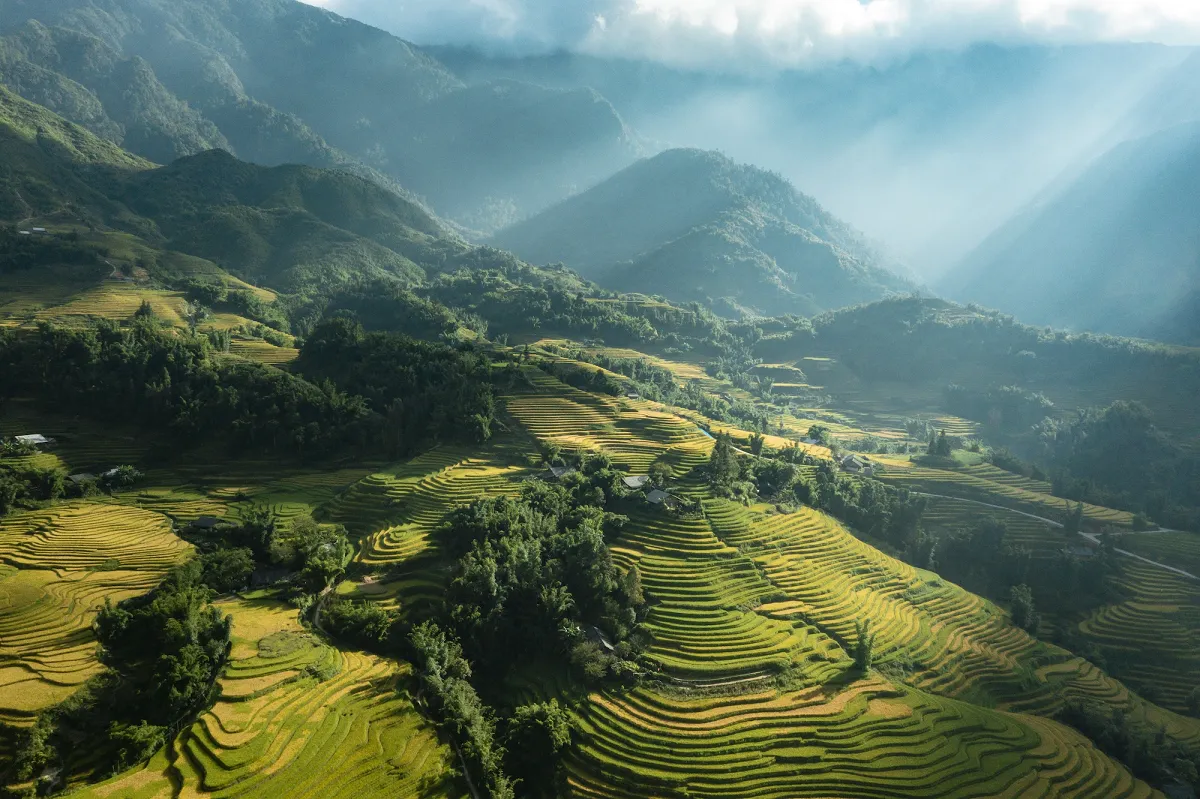
While many travelers visit Sapa for its spectacular rice terraces and mountain scenery, the true heart of this destination lies in its rich cultural diversity. Home to several ethnic minority groups, Sapa offers visitors a unique opportunity to experience traditions, customs, and ways of life that have been preserved for generations.
From colorful traditional clothing and handcrafted textiles to local markets and ancient festivals, Sapa provides one of the most authentic cultural experiences in Vietnam.
Whether you're exploring remote villages or sharing a meal with a local family, understanding Sapa's cultural heritage will make your journey far more meaningful.
The Cultural Importance of Sapa
Located in Lao Cai Province near the Chinese border, Sapa has long been home to various ethnic communities living among the mountains of the Hoang Lien Son Range.
Unlike Vietnam's major cities, where modernization has transformed daily life, many villages around Sapa continue to preserve their traditional customs, languages, architecture, and agricultural practices.
Today, cultural tourism plays an important role in helping local communities maintain their heritage while welcoming visitors from around the world.
Major Ethnic Groups in Sapa
Sapa is home to more than six ethnic minority groups, each with its own traditions, language, and cultural identity.
Black Hmong People
The Black Hmong are the largest ethnic group in the Sapa region.
They are easily recognized by their dark indigo-dyed clothing and intricate handmade embroidery.
Cultural Characteristics
- Traditional indigo garments
- Terrace rice farming
- Handwoven textiles
- Rich oral traditions
- Strong community ties
Many of the villages most frequently visited by tourists, including Cat Cat and Lao Chai, are predominantly inhabited by Black Hmong families.
Red Dao People
The Red Dao community is known for its vibrant red headscarves and distinctive traditional dress.
Famous Traditions
- Herbal medicine
- Herbal bathing practices
- Embroidery
- Spiritual ceremonies
Visitors often encounter Red Dao communities in villages such as Ta Phin.
The group is particularly respected for its extensive knowledge of medicinal plants and natural remedies.
Giay People
The Giay people primarily reside in Ta Van Village and surrounding areas.
Compared to the Hmong and Dao, their traditional clothing is generally simpler but equally distinctive.
Cultural Features
- Wooden stilt houses
- Rice cultivation
- Traditional music
- Community celebrations
The Giay are known for their warm hospitality and strong agricultural traditions.
Tay People
The Tay are one of Vietnam's largest ethnic minority groups and can also be found in parts of the Sapa region.
Highlights
- Stilt-house architecture
- Traditional folk songs
- Farming culture
- Rich culinary traditions
Traditional Villages to Visit
Exploring ethnic villages is one of the best ways to experience local culture firsthand.
Cat Cat Village
Located just a short walk from Sapa Town, Cat Cat Village offers an introduction to Hmong culture.
Visitors can explore:
- Traditional homes
- Handicraft workshops
- Cultural performances
- Local food stalls
Despite its popularity, the village remains an important cultural center.
Lao Chai Village
Lao Chai is famous for both its cultural significance and its breathtaking rice terraces.
Visitors can observe daily agricultural life while learning about traditional Hmong customs.
Ta Van Village
Ta Van provides a quieter and more authentic atmosphere.
The village is home to both Hmong and Giay communities and is a popular destination for homestay experiences.
Ta Phin Village
Ta Phin is one of the best places to learn about Red Dao culture.
Highlights include:
- Herbal bath experiences
- Traditional embroidery
- Cultural interactions
- Mountain scenery
Traditional Clothing in Sapa
One of the most striking aspects of Sapa's culture is the colorful traditional clothing worn by local communities.
These garments are often handmade using techniques passed down through generations.
Materials commonly include:
- Hemp
- Cotton
- Natural dyes
- Hand embroidery
The process of creating traditional clothing can take weeks or even months to complete.
Today, many local women continue wearing traditional attire as part of their daily lives.
Local Markets: The Cultural Heart of Sapa
Markets play a vital role in the social and economic life of ethnic communities.
They are not only places to buy and sell goods but also important gathering spaces.
Common market products include:
- Fresh produce
- Livestock
- Traditional clothing
- Handcrafted souvenirs
- Herbal medicines
- Local food
Visitors often find markets among the most authentic cultural experiences in the region.
Traditional Handicrafts
Sapa's ethnic communities are renowned for their craftsmanship.
Popular handmade products include:
Embroidered Textiles
Beautiful patterns reflecting local traditions and stories.
Silver Jewelry
Handcrafted necklaces, bracelets, and decorative accessories.
Woven Bags
Traditional bags featuring colorful ethnic designs.
Handmade Clothing
Unique garments created using traditional techniques.
Purchasing locally made products helps support village economies and preserve cultural heritage.
Festivals and Celebrations
Throughout the year, various festivals take place across the Sapa region.
These celebrations often feature:
- Traditional dances
- Folk music
- Local games
- Religious ceremonies
- Community gatherings
Festival dates vary according to local customs and lunar calendars.
Visitors fortunate enough to witness these events gain valuable insight into ethnic traditions.
Traditional Cuisine and Food Culture
Food is an essential part of local identity.
Popular traditional dishes include:
Thang Co
A famous Hmong specialty often served during gatherings and festivals.
Black Chicken
A local delicacy known for its distinctive flavor and nutritional value.
Bamboo-Tube Rice (Com Lam)
Rice cooked inside bamboo over an open fire.
Smoked Buffalo Meat
A traditional mountain dish prepared using preservation methods developed over generations.
Corn Wine
A popular local beverage frequently enjoyed during celebrations and communal events.
Staying in a Homestay
One of the best ways to experience local culture is by staying with a local family.
Benefits include:
- Authentic meals
- Cultural exchanges
- Traditional architecture
- Insight into daily life
Homestays provide experiences that hotels simply cannot replicate.
Cultural Etiquette for Visitors
Respecting local customs is important when visiting ethnic communities.
Do
- Ask permission before taking photographs.
- Support local businesses.
- Dress respectfully.
- Learn a few Vietnamese greetings.
Avoid
- Entering homes without invitation.
- Touching sacred objects.
- Bargaining excessively.
- Leaving litter in villages.
Responsible tourism helps preserve cultural heritage for future generations.
Why Sapa's Culture Makes It Unique
What sets Sapa apart from many other destinations is the close connection between its people and the landscape. The rice terraces, villages, traditions, and daily routines have evolved together over centuries, creating a living cultural landscape unlike anywhere else in Vietnam.
Visitors who take the time to explore beyond the viewpoints and tourist attractions often discover that the most memorable part of their trip is not the scenery itself, but the people who call these mountains home.
Final Thoughts
Sapa is much more than a mountain destination. It is a place where ancient traditions continue to thrive, where ethnic communities maintain unique cultural identities, and where travelers can gain a deeper understanding of northern Vietnam's rich heritage.
From traditional villages and local markets to handcrafted textiles and family-run homestays, every cultural experience in Sapa offers an opportunity to connect with a fascinating way of life that has endured for generations.
For travelers seeking authentic experiences, cultural discovery is one of the most rewarding aspects of visiting Sapa.