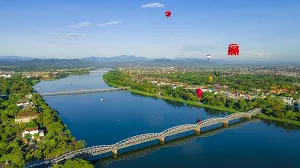
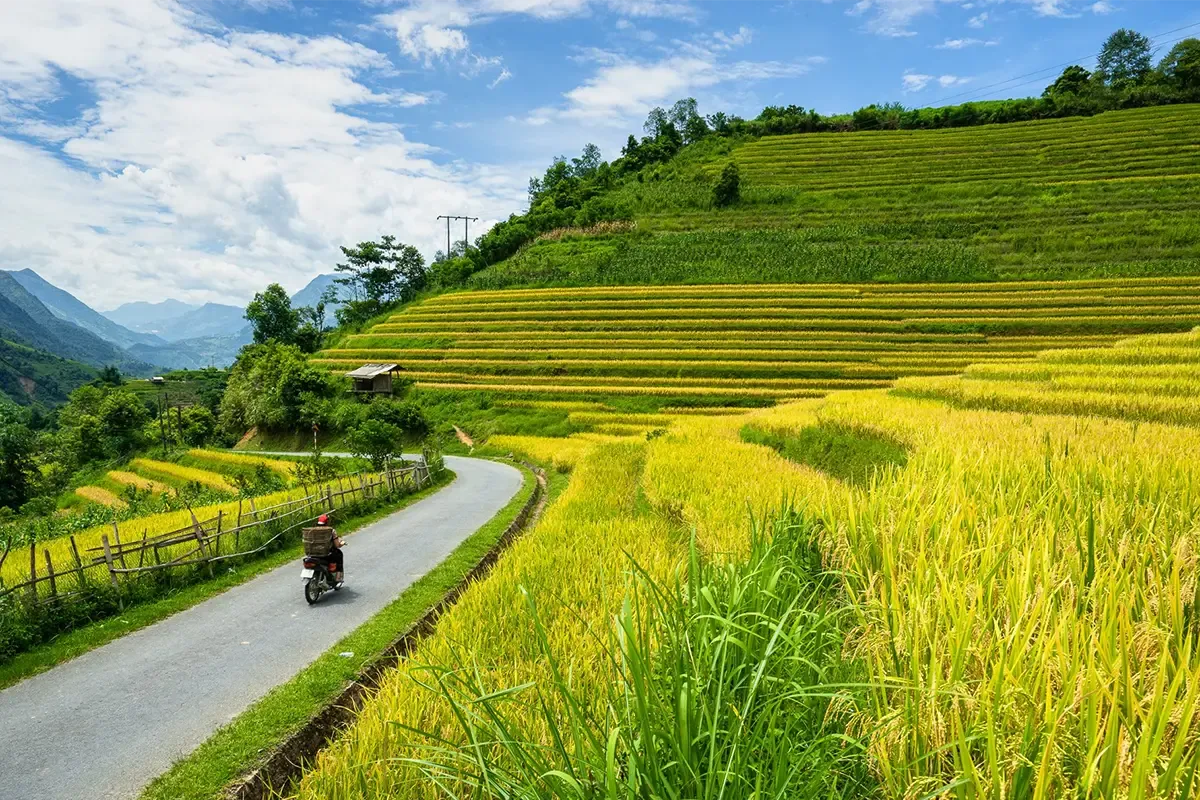
Sapa is one of Vietnam's most spectacular destinations, attracting travelers with its breathtaking mountain scenery, terraced rice fields, ethnic minority villages, and cool climate. However, because Sapa is located in a mountainous region, traveling here can be quite different from visiting cities like Hanoi, Da Nang, or Ho Chi Minh City.
Whether you're planning your first trip or returning to explore more of northern Vietnam, these practical travel tips will help you enjoy a smoother, safer, and more memorable experience.
1. Choose the Right Season
Every season in Sapa offers a unique experience.
Spring (February–May)
- Flower blooms
- Pleasant temperatures
- Excellent trekking weather
Summer (June–August)
- Green rice terraces
- Cooler temperatures than Hanoi
Autumn (September–November)
- Golden rice fields
- Clear skies
- Best photography conditions
Winter (December–February)
- Cloud hunting
- Frost
- Possible snowfall
For many travelers, September and October are considered the best months to visit.
2. Book Transportation in Advance
Sapa is one of Vietnam's most popular destinations, especially during weekends and holidays.
Transportation options include:
- Limousine buses
- Sleeper buses
- Overnight trains
- Private transfers
Booking early helps secure better schedules and prices.
3. Bring Warm Clothes Year-Round
One of the most common mistakes travelers make is underestimating Sapa's weather.
Even during summer, temperatures can drop significantly at night.
Always pack:
- Light jacket
- Long sleeves
- Windbreaker
4. Wear Comfortable Walking Shoes
Sapa involves a lot of walking.
You'll encounter:
- Mountain trails
- Village roads
- Staircases
- Uneven terrain
Good footwear is essential.
5. Prepare for Rapid Weather Changes
In Sapa, it's possible to experience sunshine, fog, rain, and cool temperatures all in one day.
Carry:
- Rain jacket
- Umbrella
- Waterproof bag cover
Being prepared can save your plans.
6. Stay at Least Two Nights
Many visitors only spend one night in Sapa.
However, a minimum of two nights allows enough time to:
- Visit Fansipan
- Explore villages
- Enjoy local food
- Experience the scenery
Three days is often ideal.
7. Consider Staying in a Homestay
Homestays offer a more authentic experience than traditional hotels.
Benefits include:
- Local hospitality
- Cultural immersion
- Traditional meals
- Mountain views
Popular areas include Ta Van and Lao Chai.
8. Start Activities Early
Morning is usually the best time for:
- Photography
- Trekking
- Cloud hunting
- Sightseeing
Weather conditions are often clearer before noon.
9. Carry Cash
Although many hotels and restaurants accept cards, smaller businesses often do not.
Cash is useful for:
- Village purchases
- Local markets
- Street food
- Entrance fees
10. Respect Local Culture
Sapa is home to several ethnic minority groups.
Visitors should:
- Dress respectfully
- Ask before taking photos
- Support local businesses
- Respect traditions
Responsible tourism benefits local communities.
11. Learn Basic Vietnamese Phrases
Simple phrases can greatly enhance interactions.
Useful examples:
- Hello
- Thank you
- How much?
- Excuse me
Locals appreciate the effort.
12. Visit Fansipan Early
Fansipan Peak is one of Sapa's most popular attractions.
Arriving early helps you:
- Avoid crowds
- Enjoy better visibility
- Take better photos
Morning visits often offer the best conditions.
13. Don't Skip the Villages
Many visitors focus only on Sapa Town.
The surrounding villages offer:
- Rice terraces
- Cultural experiences
- Local lifestyles
- Beautiful landscapes
Lao Chai and Ta Van are excellent starting points.
14. Check the Weather Before Trekking
Mountain weather can impact trail conditions.
Heavy rain may create:
- Muddy paths
- Slippery trails
- Reduced visibility
Always check forecasts before long hikes.
15. Bring a Power Bank
Cold temperatures can drain phone batteries faster than expected.
A portable charger is highly recommended.
16. Taste Local Specialties
Don't leave Sapa without trying:
- Salmon hotpot
- Sturgeon hotpot
- Grilled skewers
- Bamboo rice
- Smoked buffalo meat
Food is an important part of the travel experience.
17. Pack Sunscreen
Even on cool days, mountain sunlight can be surprisingly strong.
Protect your skin during:
- Trekking
- Motorbike rides
- Outdoor sightseeing
18. Be Careful on Mountain Roads
If renting a motorbike:
- Drive slowly
- Watch for fog
- Check weather conditions
- Wear a helmet
Roads can become slippery after rain.
19. Bring a Camera
Sapa offers some of Vietnam's most spectacular scenery.
You'll likely want to photograph:
- Rice terraces
- Mountains
- Villages
- Sunrises
- Cloud seas
20. Stay Flexible
Weather conditions may affect your plans.
Having a flexible itinerary allows you to adapt and enjoy alternative activities.
21. Visit During Weekdays if Possible
Weekends are typically busier.
Weekday visits often provide:
- Fewer crowds
- Better hotel rates
- More peaceful experiences
22. Explore Beyond the Famous Attractions
Popular destinations are wonderful, but hidden gems often provide the most memorable experiences.
Consider visiting:
- Seo My Ty Lake
- Nam Cang Village
- Ban Ho Village
- Hang Da Viewpoint
23. Stay Hydrated
The combination of trekking and mountain air can be dehydrating.
Carry water throughout the day.
24. Purchase Travel Insurance
Outdoor activities and mountain travel always carry some risks.
Travel insurance provides peace of mind during your trip.
25. Take Time to Slow Down
Many travelers try to visit every attraction in a short period.
Sapa is best enjoyed at a relaxed pace.
Spend time:
- Watching clouds drift across the valleys
- Enjoying coffee with mountain views
- Exploring villages
- Connecting with local culture
The slower moments are often the most memorable.
Common Mistakes First-Time Visitors Make
Packing Only Summer Clothes
Mountain weather can be surprisingly cold.
Underestimating Walking Distances
Many attractions involve more walking than expected.
Skipping Village Visits
The villages are among Sapa's greatest treasures.
Booking Too Little Time
A rushed itinerary limits the experience.
Suggested Packing List
Clothing
- Warm jacket
- Comfortable shirts
- Hiking pants
- Extra socks
Accessories
- Sunglasses
- Hat
- Umbrella
Electronics
- Camera
- Power bank
- Charging cables
Health Items
- Personal medication
- Sunscreen
- Insect repellent
Final Thoughts
Sapa is one of Vietnam's most rewarding destinations, offering a perfect blend of natural beauty, cultural diversity, outdoor adventure, and unforgettable landscapes. With proper planning and realistic expectations, your trip can become one of the highlights of your Vietnam journey.
By following these travel tips, you'll be better prepared to explore the mountains, connect with local communities, and fully appreciate everything that makes Sapa such a special place.
Whether you're trekking through rice terraces, riding the cable car to Fansipan, or enjoying a warm bowl of hotpot on a cool evening, Sapa is a destination that leaves a lasting impression on every traveler.