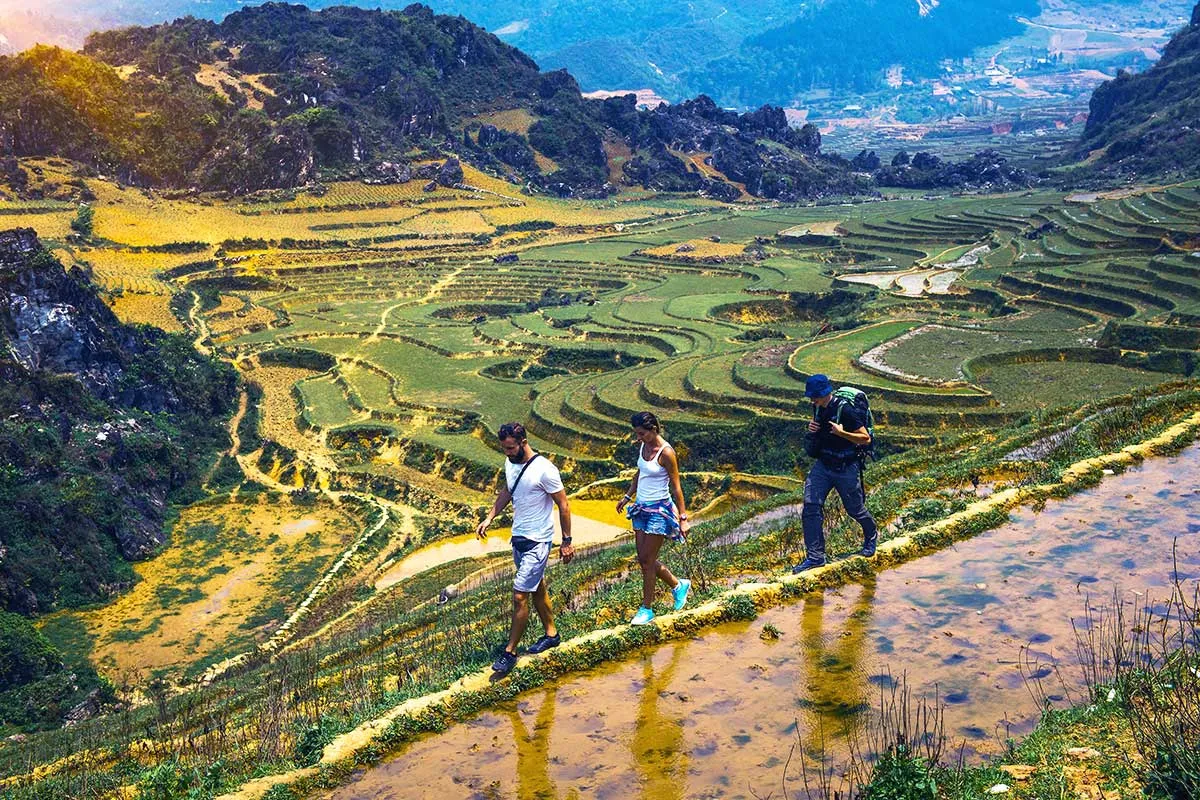
When people think of Sapa, they often imagine endless rice terraces cascading down mountain slopes, mist-covered valleys, and colorful ethnic minority villages. While the scenery is spectacular from any viewpoint, the best way to truly experience Sapa is on foot.
Trekking is the most popular activity in Sapa and offers travelers the opportunity to explore remote villages, interact with local communities, and witness some of the most breathtaking landscapes in Southeast Asia.
Whether you're a beginner looking for a short village walk or an experienced hiker seeking a multi-day mountain adventure, Sapa offers trekking routes for every level.
Why Go Trekking in Sapa?
Unlike many tourist destinations, Sapa's beauty lies beyond the town center.
Trekking allows visitors to:
- Explore authentic ethnic villages
- Walk through world-famous rice terraces
- Experience local culture
- Discover hidden waterfalls
- Enjoy panoramic mountain views
- Escape crowded tourist areas
- Capture incredible photographs
Many travelers consider trekking the highlight of their entire Vietnam trip.
Best Time for Trekking in Sapa
Choosing the right season can significantly improve your trekking experience.
Spring (February – May)
Spring offers:
- Mild temperatures
- Flower blossoms
- Clear skies
- Comfortable hiking conditions
This is one of the best seasons for trekking.
Summer (June – August)
Summer features:
- Lush green rice terraces
- Vibrant landscapes
- Cool mountain weather
However, occasional rain can make trails slippery.
Autumn (September – November)
Many hikers consider autumn the ideal season.
Highlights include:
- Golden rice fields
- Dry weather
- Excellent visibility
- Pleasant temperatures
Winter (December – February)
Winter trekking can be magical but challenging.
Expect:
- Cold temperatures
- Foggy conditions
- Frost in higher elevations
Proper clothing is essential.
Popular Trekking Routes in Sapa
1. Cat Cat Village Trek
Difficulty: Easy
Duration: 2–3 Hours
Located only 2 kilometers from Sapa Town, Cat Cat Village is ideal for beginners.
This short trek introduces visitors to:
- Traditional Hmong culture
- Rice terraces
- Waterfalls
- Handicraft workshops
The route is well-maintained and suitable for families.
2. Lao Chai – Ta Van Trek
Difficulty: Moderate
Duration: Full Day
This is the most famous trekking route in Sapa.
The trail passes through:
- Muong Hoa Valley
- Rice terraces
- Hmong villages
- Giay communities
Visitors can enjoy some of the most iconic scenery in Vietnam.
Highlights
- Spectacular landscapes
- Cultural experiences
- Photography opportunities
- Homestays
3. Y Linh Ho Trek
Difficulty: Moderate
Duration: Half Day
Y Linh Ho remains less crowded than Cat Cat and offers a more authentic experience.
The route winds through:
- Mountain valleys
- Rice terraces
- Traditional villages
- Forest trails
It's perfect for travelers seeking tranquility.
4. Ta Phin Village Trek
Difficulty: Moderate
Duration: Half Day
Ta Phin Village is home to the Red Dao community and is known for its unique culture and herbal traditions.
Highlights include:
- Traditional houses
- Herbal baths
- Handicrafts
- Cultural experiences
This route combines trekking with cultural discovery.
5. Ban Ho Trek
Difficulty: Challenging
Duration: Full Day or Overnight
Ban Ho lies farther from Sapa Town and receives fewer tourists.
The journey rewards hikers with:
- Peaceful villages
- Waterfalls
- Authentic local life
- Beautiful valleys
This trek is ideal for adventurous travelers.
Multi-Day Trekking Adventures
Two-Day Village Trek
Popular route:
Sapa → Y Linh Ho → Lao Chai → Ta Van
Includes
- Homestay experience
- Local meals
- Cultural interaction
- Sunrise views
This is one of the most popular options for international visitors.
Three-Day Trekking Tour
Extended routes often include:
- Lao Chai
- Ta Van
- Giang Ta Chai
- Ban Ho
This allows travelers to explore more remote areas while avoiding rushed schedules.
Trekking Through Muong Hoa Valley
Muong Hoa Valley is the heart of Sapa's trekking network.
The valley is famous for:
- Terraced rice fields
- Mountain scenery
- Ancient stone carvings
- Ethnic villages
Every trekking route eventually connects to this breathtaking landscape.
For photographers, Muong Hoa Valley is one of Vietnam's most spectacular destinations.
Ethnic Minority Communities You May Encounter
One of the most rewarding aspects of trekking in Sapa is meeting local people.
Black Hmong
Known for:
- Traditional indigo clothing
- Farming practices
- Handcrafted textiles
Red Dao
Recognizable by their colorful headscarves and rich cultural traditions.
Many visitors enjoy learning about their famous herbal medicine practices.
Giay People
Often found in Ta Van Village.
Known for:
- Traditional wooden houses
- Agriculture
- Warm hospitality
What to Pack for Trekking in Sapa
Essential Gear
- Hiking shoes
- Waterproof jacket
- Daypack
- Water bottle
- Sunscreen
- Hat
- Insect repellent
During Winter
Bring:
- Thermal clothing
- Gloves
- Warm jacket
- Extra layers
Mountain weather can change rapidly.
Should You Hire a Local Guide?
While some routes are easy to follow independently, hiring a local guide offers many advantages.
Benefits include:
- Cultural insights
- Language assistance
- Route navigation
- Support for local communities
- Access to hidden viewpoints
Many travelers report that local guides significantly enhance their experience.
Photography Tips for Sapa Treks
Visit Early
Morning light creates beautiful landscapes and fewer crowds.
Bring Extra Batteries
Cold weather can drain batteries faster than expected.
Capture Local Life Respectfully
Always ask permission before photographing people.
Best Photography Seasons
- Green terraces: June–August
- Golden terraces: September–October
Trekking Safety Tips
- Check weather forecasts.
- Avoid trekking alone in remote areas.
- Wear appropriate footwear.
- Carry water and snacks.
- Stay on marked trails.
- Inform someone about your route.
Safety is particularly important during the rainy season.
Suggested One-Day Trekking Itinerary
Morning
- Depart Sapa Town
- Trek through Y Linh Ho
- Continue to Lao Chai
Afternoon
- Explore Ta Van Village
- Enjoy local lunch
- Return to Sapa
This route offers an excellent introduction to Sapa's landscapes and culture.
Why Trekking Is the Best Way to Experience Sapa
Trekking allows travelers to discover the true essence of Sapa. Beyond the viewpoints and tourist attractions lies a landscape shaped by generations of ethnic communities living among mountains, forests, and rice terraces.
Every trail reveals something new—whether it's a hidden waterfall, a traditional village, or a breathtaking panorama of the Hoang Lien Son Mountains.
For visitors seeking authentic experiences, unforgettable scenery, and meaningful cultural connections, trekking remains the ultimate way to explore Sapa.