Nestled in the majestic Hoang Lien Son Mountains of northern Vietnam, Sapa is one of the country's most spectacular travel destinations. Famous for its breathtaking rice terraces, colorful ethnic minority cultures, mist-covered mountains, and cool climate, Sapa attracts millions of domestic and international travelers every year.
Whether you're seeking adventure, cultural experiences, photography opportunities, or simply a relaxing mountain retreat, Sapa offers something for every traveler.
This comprehensive Sapa travel guide covers everything first-time visitors need to know, including the best time to visit, how to get there, where to stay, what to eat, and the top attractions you shouldn't miss.
Where Is Sapa?
Sapa is a mountain town located in Lao Cai Province, approximately 320 kilometers northwest of Hanoi near the border with China.
Situated at an elevation of around 1,500 meters above sea level, Sapa enjoys cooler temperatures throughout the year compared to much of Vietnam. Its dramatic landscapes, terraced rice fields, and ethnic villages make it one of the most unique destinations in Southeast Asia.
Best Time to Visit Sapa
One of the most common questions travelers ask is: "When is the best time to visit Sapa?"
The answer depends on what you want to experience.
Spring (February – May)
Spring is one of the most beautiful seasons in Sapa. Cherry blossoms, peach blossoms, and plum flowers bloom across the mountains, creating colorful landscapes.
Why Visit in Spring?
- Pleasant temperatures
- Flower-covered valleys
- Clear mountain views
- Cultural festivals
Summer (June – August)
Summer offers lush green rice terraces and cooler weather compared to major cities like Hanoi.
Pros
- Vibrant green landscapes
- Comfortable temperatures
- Excellent trekking conditions
Cons
- Occasional heavy rain
- Foggy conditions on some days
Autumn (September – November)
Many travelers consider autumn the most beautiful season in Sapa.
The rice terraces turn brilliant shades of gold, creating some of Vietnam's most iconic landscapes.
Why Autumn Is Popular
- Golden rice fields
- Dry weather
- Excellent visibility
- Ideal photography conditions
Winter (December – February)
Winter brings a completely different atmosphere.
Temperatures can occasionally fall below freezing, and snow sometimes appears on the surrounding mountains.
Highlights
- Cloud hunting
- Frost-covered landscapes
- Fansipan snow views
- Unique winter atmosphere
How to Get to Sapa
By Limousine Bus
The most convenient option.
Travel time: 5–6 hours
Advantages:
- Hotel pickup available
- Comfortable seating
- Affordable prices
- Frequent departures
By Sleeper Train
Travelers seeking a more traditional experience can take the overnight train from Hanoi to Lao Cai.
Travel time:
- Hanoi to Lao Cai: 7–9 hours
- Lao Cai to Sapa: 1 hour
Advantages:
- Scenic route
- Comfortable sleeping cabins
- Saves daytime travel
By Private Car
Many travelers choose private transfers for maximum convenience.
Benefits include:
- Flexible schedule
- Direct transportation
- Comfortable journey
Where to Stay in Sapa
Accommodation options range from budget hostels to luxury mountain resorts.
Luxury Resorts
Ideal for couples and honeymooners.
Popular options include:
- Topas Ecolodge
- Hotel de la Coupole
- Silk Path Grand Resort
- Sapa Jade Hill
Mid-Range Hotels
Great for families and independent travelers.
Benefits:
- Central location
- Good amenities
- Affordable prices
Village Homestays
Perfect for cultural experiences.
Popular villages:
- Cat Cat Village
- Lao Chai Village
- Ta Van Village
Homestays allow visitors to experience authentic local life and enjoy spectacular mountain views.
Top Things to Do in Sapa
1. Visit Fansipan Peak
Known as the Roof of Indochina, Fansipan stands at 3,143 meters above sea level.
Visitors can reach the summit via one of the world's most impressive cable car systems.
Highlights:
- Panoramic mountain views
- Sea of clouds
- Buddhist spiritual complex
- Incredible photography opportunities
2. Explore Cat Cat Village
Located just 2 kilometers from Sapa Town, Cat Cat Village offers insight into traditional Hmong culture.
Things to see:
- Traditional houses
- Waterfalls
- Handicrafts
- Cultural performances
3. Trek Through Lao Chai and Ta Van
These villages are famous for their spectacular rice terraces and authentic ethnic minority culture.
Activities include:
- Trekking
- Photography
- Homestay experiences
- Cultural exploration
4. Visit Ham Rong Mountain
Ham Rong Mountain provides one of the best viewpoints overlooking Sapa Town.
Highlights:
- Flower gardens
- Mountain scenery
- Panoramic viewpoints
5. Explore O Quy Ho Pass
Known as the King of Mountain Passes, O Quy Ho offers some of the most dramatic scenery in Vietnam.
Best activities:
- Sunset photography
- Scenic drives
- Cloud hunting
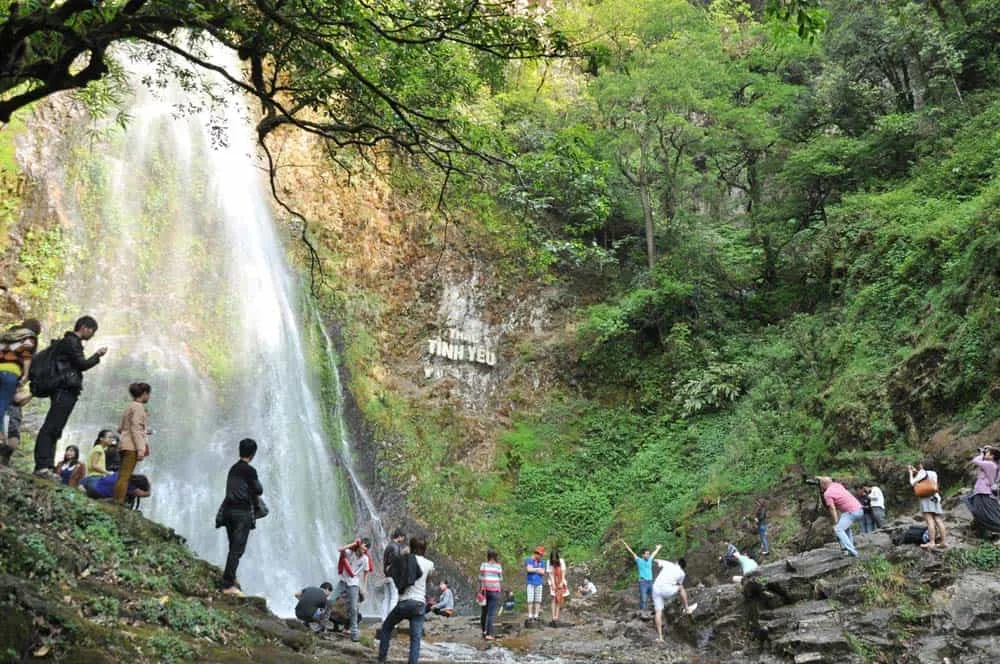
6. Discover Silver Waterfall and Love Waterfall
Nature lovers should not miss these beautiful waterfalls located near O Quy Ho Pass.
Perfect for:
- Hiking
- Photography
- Relaxation
7. Visit Heaven Gate
One of the most spectacular viewpoints in northern Vietnam.
Visitors can enjoy:
- Mountain panoramas
- Sunrise views
- Sea of clouds
8. Relax at Seo My Ty Lake
This hidden gem is Vietnam's highest artificial lake.
Activities include:
- Camping
- Photography
- Fishing experiences
- Nature exploration
What to Eat in Sapa
Food is a major highlight of any visit to Sapa.
Must-Try Dishes
Salmon Hotpot
Fresh salmon raised in Sapa's cool climate.
Sturgeon Hotpot
A local favorite during colder months.
Grilled Street Food
Popular options include:
- Pork skewers
- Chicken skewers
- Vegetables
- Corn
- Bamboo rice
Thang Co
A traditional Hmong specialty.
Smoked Buffalo Meat
One of northern Vietnam's most famous mountain dishes.
Best Cafés in Sapa
Sapa is also famous for its mountain-view cafés.
Popular choices include:
- Viettrekking Café
- Gem Valley Café
- Coong Café
These cafés are ideal for enjoying coffee while overlooking valleys, mountains, and clouds.
Essential Travel Tips for First-Time Visitors
Pack for Changing Weather
Weather in Sapa changes quickly.
Bring:
- Light jacket
- Raincoat
- Comfortable shoes
- Sunscreen
Carry Cash
Although many hotels accept cards, smaller restaurants and local markets often require cash.
Start Early
Popular attractions become crowded during peak hours.
Early morning visits often provide:
- Better weather
- Fewer tourists
- Superior photography conditions
Respect Local Culture
Sapa is home to several ethnic minority communities.
Visitors should:
- Dress respectfully
- Ask before taking photos of locals
- Support local businesses responsibly
Suggested 3-Day Sapa Itinerary
Day 1
- Arrive in Sapa
- Explore Sapa Town
- Visit Cat Cat Village
- Enjoy local barbecue dinner
Day 2
- Fansipan Peak
- Ham Rong Mountain
- Mountain-view cafés
- Sapa Night Market
Day 3
- Lao Chai and Ta Van Trek
- Heaven Gate
- O Quy Ho Pass
- Return to Hanoi
Final Thoughts
Sapa is one of Vietnam's most rewarding travel destinations. With its stunning mountain scenery, world-famous rice terraces, vibrant ethnic cultures, and endless outdoor adventures, it offers experiences unlike anywhere else in Southeast Asia.
Whether you're conquering Fansipan Peak, trekking through remote villages, enjoying local cuisine, or watching clouds drift over mountain valleys, Sapa promises unforgettable memories for every traveler.
For first-time visitors to Vietnam, Sapa deserves a place at the very top of your travel bucket list.