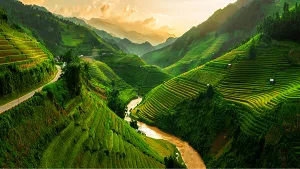
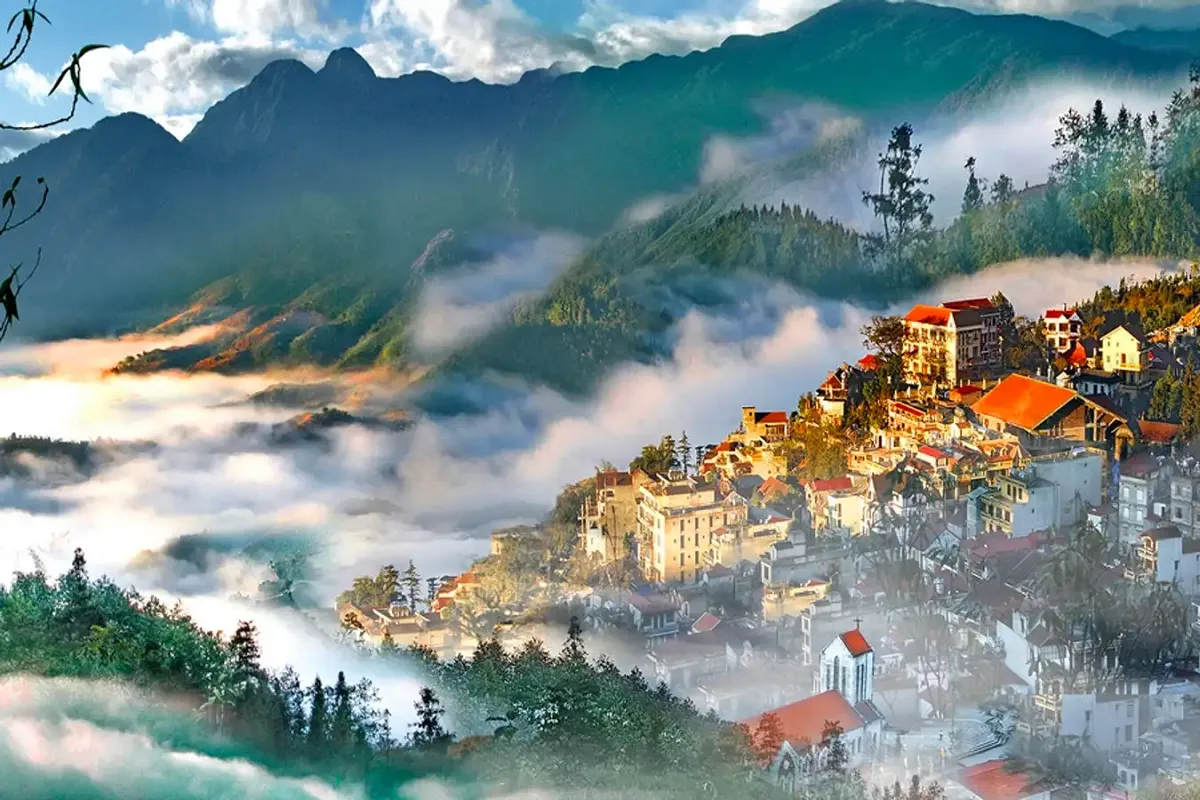
Sapa is one of Vietnam's most captivating destinations, attracting travelers with its stunning rice terraces, misty mountains, vibrant ethnic cultures, and cool climate. Unlike many destinations in Southeast Asia, Sapa offers a unique experience throughout the year, with each season transforming the landscape in a different way.
Whether you dream of trekking through emerald-green valleys, photographing golden rice terraces, chasing clouds above the mountains, or even witnessing snowfall, choosing the right time to visit can make your trip even more memorable.
This guide explores Sapa's weather, seasons, and the best travel experiences each month of the year.
Understanding Sapa's Climate
Located at an elevation of approximately 1,500 meters above sea level, Sapa enjoys a mountain climate that is significantly cooler than most parts of Vietnam.
Average temperatures range from:
- Spring: 15°C – 23°C
- Summer: 18°C – 28°C
- Autumn: 12°C – 25°C
- Winter: 0°C – 15°C
The weather can change rapidly throughout the day, and visitors often experience sunshine, fog, rain, and cool temperatures within just a few hours.
Because of these variations, every season offers a completely different perspective of Sapa.
Sapa in Spring (February – May)
The Season of Flowers and Fresh Mountain Air
Spring is widely regarded as one of the most beautiful times to visit Sapa. As winter fades away, the mountains and valleys burst into color with blooming flowers and lush vegetation.
During this period, visitors can admire:
- Cherry blossoms
- Peach blossoms
- Plum blossoms
- Pear flowers
- Wild mountain flowers
The landscapes become vibrant and picturesque, making spring an excellent season for photography and sightseeing.
Weather in Spring
- Mild temperatures
- Low humidity
- Comfortable trekking conditions
- Frequent sunny days
Spring is also festival season in many ethnic minority villages, allowing visitors to experience traditional celebrations and cultural events.
Best Activities in Spring
- Hiking and trekking
- Visiting ethnic villages
- Flower photography
- Exploring local markets
- Cloud hunting
Sapa in Summer (June – August)
Escape the Heat
While much of Vietnam experiences hot and humid weather during summer, Sapa remains relatively cool thanks to its mountain elevation.
Many domestic travelers visit Sapa specifically to escape the summer heat.
Summer Landscape
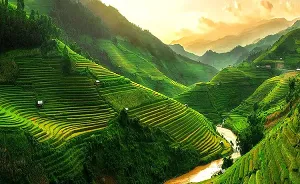
This is when the famous rice terraces become lush and green.
The hillsides are covered with:
- Vibrant rice fields
- Corn plantations
- Mountain forests
- Blooming vegetation
The scenery resembles a giant green carpet stretching across the valleys.
Summer Weather
- Average temperatures between 18°C and 28°C
- Occasional afternoon rain
- Morning mist and clouds
Although rain showers can occur, they often create dramatic cloud formations that enhance the beauty of the mountains.
Best Activities in Summer
- Rice terrace photography
- Trekking through Muong Hoa Valley
- Exploring Cat Cat Village
- Camping near Seo My Ty Lake
- Visiting waterfalls
Sapa in Autumn (September – November)
The Golden Rice Terrace Season
Autumn is often considered the best time to visit Sapa.
This is the season when the rice terraces transform into breathtaking golden landscapes before harvest.
Travel photographers from around the world flock to Sapa to capture this incredible scenery.
Why Autumn Is So Popular
- Clear blue skies
- Pleasant temperatures
- Dry weather
- Excellent visibility
- Golden rice fields
The contrast between golden terraces and deep green mountains creates some of the most iconic images of Vietnam.
Best Places to See Golden Rice Terraces
- Muong Hoa Valley
- Lao Chai Village
- Ta Van Village
- Y Linh Ho Village
- Ban Ho Village
Best Activities in Autumn
- Landscape photography
- Trekking
- Village exploration
- Motorbike tours
- Sunset viewing
For many travelers, autumn provides the perfect balance between weather conditions and scenery.
Sapa in Winter (December – February)
Experience Snow in Vietnam
Few travelers realize that it is possible to see snow in Vietnam.
Thanks to its high elevation, Sapa occasionally experiences snowfall during particularly cold periods in winter.
When snow falls, the town transforms into a magical winter destination.
Winter Weather
- Temperatures may drop below freezing
- Frequent fog and mist
- Frost-covered landscapes
- Cold mountain winds
While snow is not guaranteed every year, frost and icy conditions are common at higher elevations such as Fansipan Peak.
Winter Highlights
- Snow hunting
- Frost photography
- Fansipan cable car rides
- Cozy cafés
- Hotpot dining
The chilly weather makes local specialties like salmon hotpot and grilled barbecue even more enjoyable.
Month-by-Month Guide to Visiting Sapa
January
- Coldest month
- Chance of frost and snow
- Excellent cloud hunting
February
- Winter transitions to spring
- Flower blossoms begin appearing
- Pleasant weather
March
- Peak blossom season
- Ideal for trekking
- Beautiful mountain scenery
April
- Mild temperatures
- Clear skies
- Excellent outdoor conditions
May
- Green landscapes emerge
- Comfortable weather
- Fewer crowds
June
- Rice terraces become vibrant
- Summer tourism begins
- Occasional rainfall
July
- Lush green scenery
- Cooler than Hanoi
- Frequent mountain clouds
August
- Peak green terrace season
- Good photography opportunities
September
- Beginning of golden rice season
- One of the most beautiful months
October
- Peak harvest season
- Perfect weather
- Stunning landscapes
November
- Cooler temperatures
- Fewer tourists
- Excellent visibility
December
- Beginning of winter
- Cloud seas and frost
- Holiday atmosphere
Best Time for Different Activities
Best Time for Trekking
March to May
September to November
These months offer the most comfortable temperatures and stable weather.
Best Time for Rice Terrace Photography
Golden terraces:
September to October
Green terraces:
June to August
Best Time for Cloud Hunting
November to March
Early mornings provide the highest chance of seeing spectacular cloud seas.
Best Time to See Snow
December to February
Snowfall is unpredictable but most likely during severe cold waves.
Best Time for Budget Travelers
May
June
November
These months often have fewer tourists and better accommodation deals.
What to Pack for Sapa
Regardless of when you visit, packing appropriately is essential.
Year-Round Essentials
- Comfortable walking shoes
- Light rain jacket
- Sunscreen
- Camera
- Portable charger
Winter Additions
- Warm jacket
- Gloves
- Scarf
- Thermal clothing
Summer Additions
- Light clothing
- Insect repellent
- Sun hat
Final Verdict: When Is the Best Time to Visit Sapa?
The best time to visit Sapa depends on your travel goals.
- For flowers and pleasant weather: February to May
- For green rice terraces: June to August
- For golden landscapes and photography: September to October
- For cloud hunting and winter scenery: December to February
If you can only visit once, many travelers consider September and October the most spectacular months thanks to the famous golden rice terraces and ideal weather conditions.
No matter when you choose to visit, Sapa's breathtaking mountain landscapes, rich ethnic culture, and unforgettable experiences make it one of Vietnam's most rewarding travel destinations.