Located in the mountains of northern Vietnam at an elevation of over 1,500 meters, Sapa enjoys a cool climate throughout the year. Each season offers unique landscapes and experiences, making this charming destination attractive to travelers year-round.
While Sapa can be visited at any time, travelers should be cautious during the rainy season, typically from June to early August, when heavy rainfall may cause landslides, flash floods, and travel disruptions.
Spring in Sapa (February – May): A Season of Blossoms
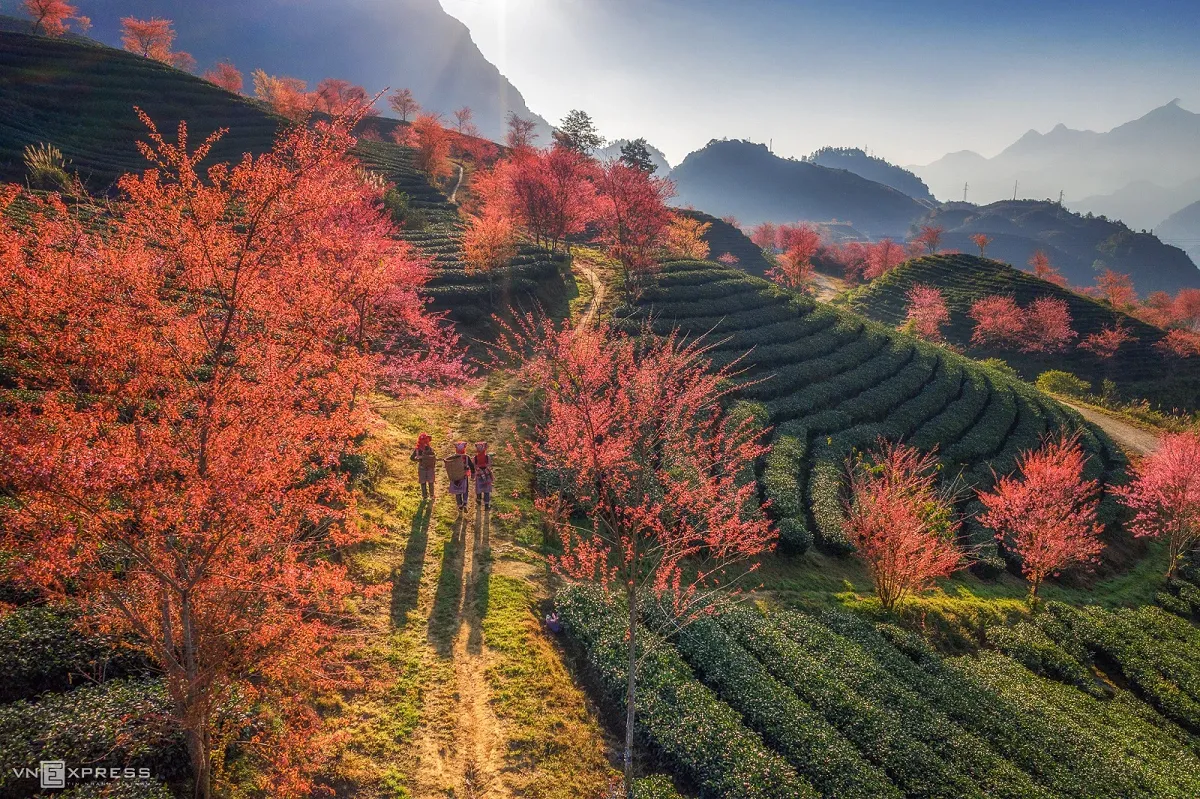
Spring is widely considered one of the most beautiful times to visit Sapa. As winter fades away, the mountains and valleys come alive with vibrant flowers, including peach blossoms, plum blossoms, and cherry blossoms.
The pleasant weather, clear skies, and colorful scenery create ideal conditions for sightseeing, hiking, and exploring local ethnic villages. Spring is also the season of traditional festivals, offering visitors a chance to experience the rich cultural heritage of the region.
Whether you're strolling through terraced fields or capturing stunning photographs of blooming orchards, spring provides a refreshing and unforgettable experience.
Summer in Sapa (June – August): A Cool Escape from the Heat
While much of Vietnam experiences hot and humid weather during summer, Sapa remains cool and comfortable, with temperatures generally ranging from 18°C to 25°C.
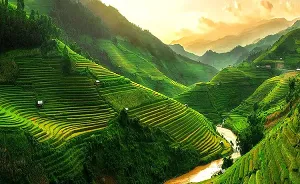
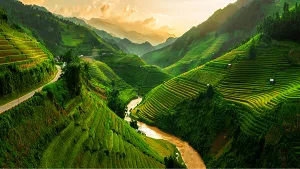
This season is perfect for travelers seeking relief from the summer heat. The famous rice terraces transform into lush green landscapes, covering the hillsides with vibrant colors that stretch as far as the eye can see.
Although summer offers breathtaking scenery, visitors should monitor weather forecasts, especially during periods of heavy rainfall. Early summer is generally a better time to enjoy outdoor activities and trekking adventures.
Autumn in Sapa (September – November): The Golden Rice Harvest Season
Autumn is often regarded as the most spectacular season in Sapa. During this time, the rice terraces turn brilliant shades of gold as the crops reach harvest season.
The combination of golden fields, crisp mountain air, and clear blue skies creates postcard-perfect scenery. Photographers, nature lovers, and travelers from around the world flock to Sapa to witness this breathtaking transformation.
The weather is typically dry and comfortable, making it an excellent season for hiking, exploring villages such as Cat Cat, Ta Van, and Lao Chai, or simply admiring the panoramic mountain views.
Winter in Sapa (December – February): Snow and Frost Adventures
Winter brings a completely different atmosphere to Sapa. Temperatures can occasionally drop below freezing, especially at higher elevations such as Fansipan Mountain.
During particularly cold periods, visitors may have the rare opportunity to see snow and frost, a phenomenon that attracts thousands of travelers each year. The mist-covered mountains and chilly air create a magical setting unlike anywhere else in Vietnam.
Winter is also a great season for cloud hunting, enjoying mountain landscapes, and experiencing the unique charm of a highland winter destination.
Conclusion
Sapa is a destination that offers beauty throughout the year. Spring welcomes visitors with colorful blossoms, summer showcases lush green rice terraces, autumn dazzles with golden harvest landscapes, and winter provides the chance to experience snow and frost.
The best time to visit Sapa ultimately depends on your travel preferences. No matter when you choose to go, this mountain town promises stunning scenery, rich cultural experiences, and unforgettable memories.