






Destinations - Hoi An
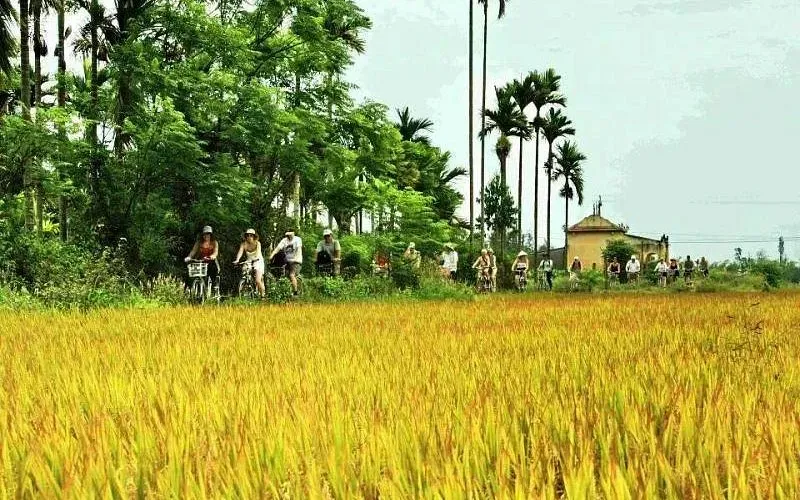
Kim Bong Carpentry Village is located on the right bank of the lower Thu Bon River as it flows through Hoi An before reaching the sea. The village belongs to Cam Kim Commune, Hoi An, Quang Nam Province.
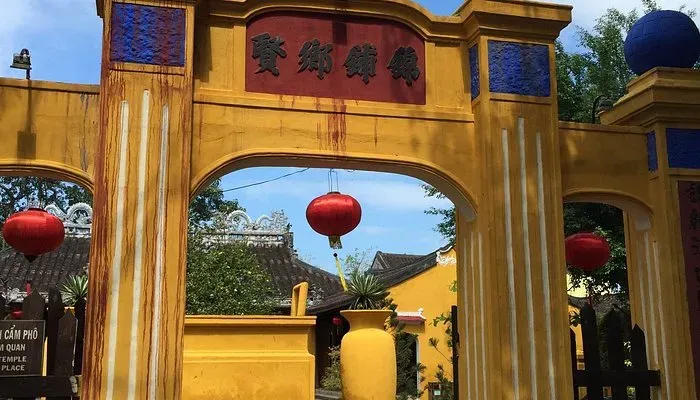
Cam Pho communal house was built rather early and restored in 1817.
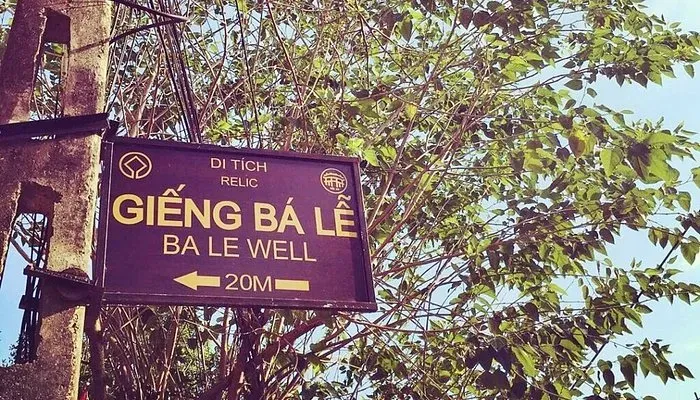
Bale well is one of the few old wells in Vietnam - as old as a thousand years - and still attracts the attention of the local people, who have loved, protected, respected and even worshiped it over the years.
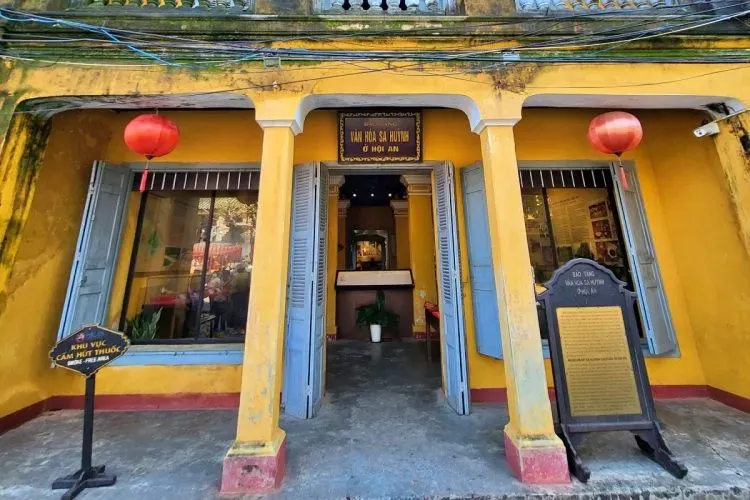
The Sa Huynh Culture Museum in Hoi An preserves more than 1,000 artifacts related to the ancient Sa Huynh civilization, believed to be the earliest inhabitants of this heritage land over 2,000 years ago.
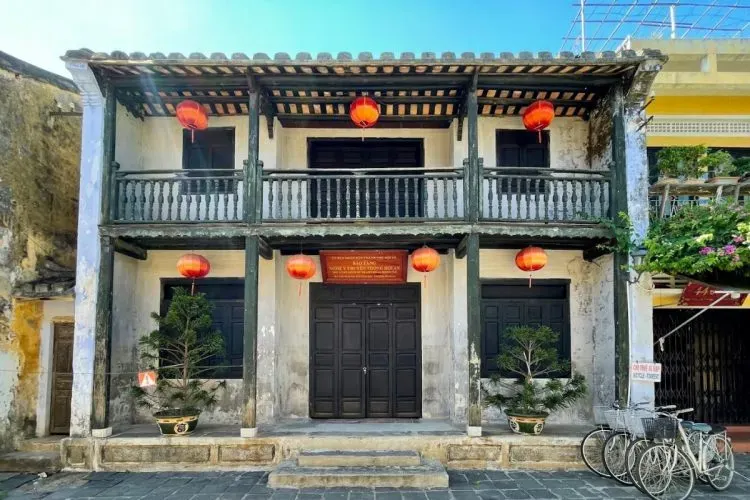
This is the newest museum in Hoi An, officially opened to visitors on March 15, 2019. The museum is designed in the style of traditional ancient houses found in Hoi An Ancient Town and is divided into six exhibition spaces displaying more than 200 artifacts.
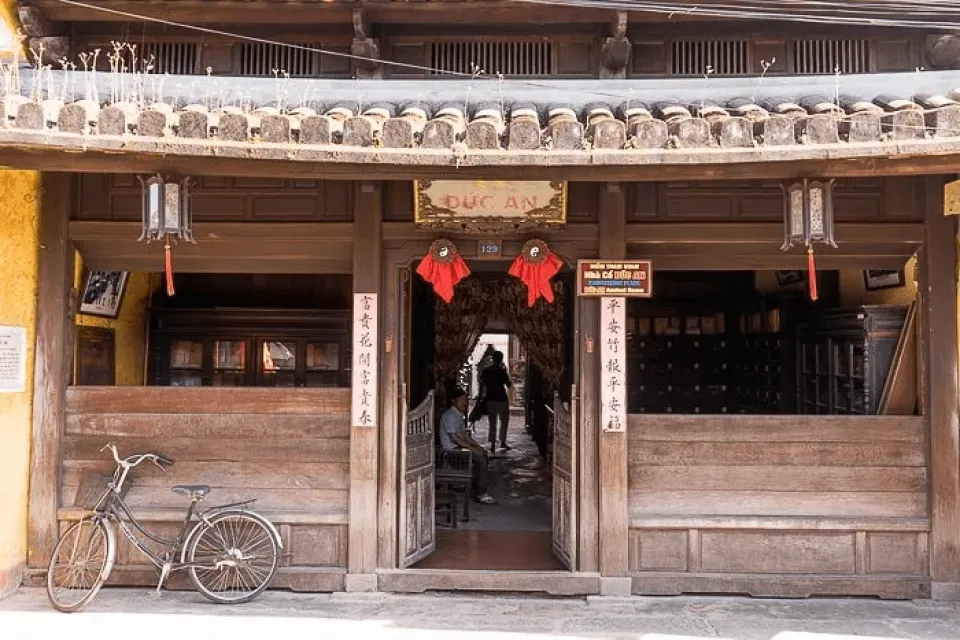
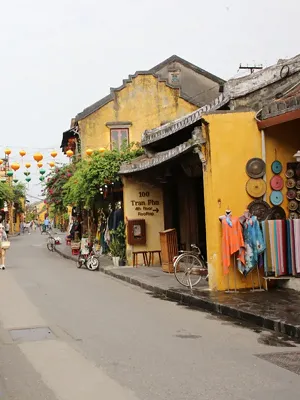
Duc An old house at 129 Tran Phu st, it isn’t overrun with travellers or souvenir sellers. Its owner, Mr Phan Ngoc Tram - a direct descendant of the founding family - claims that’s because he dislike other historic house owners, he has resisted the temptation to give over his floorspace to souvenir selling.
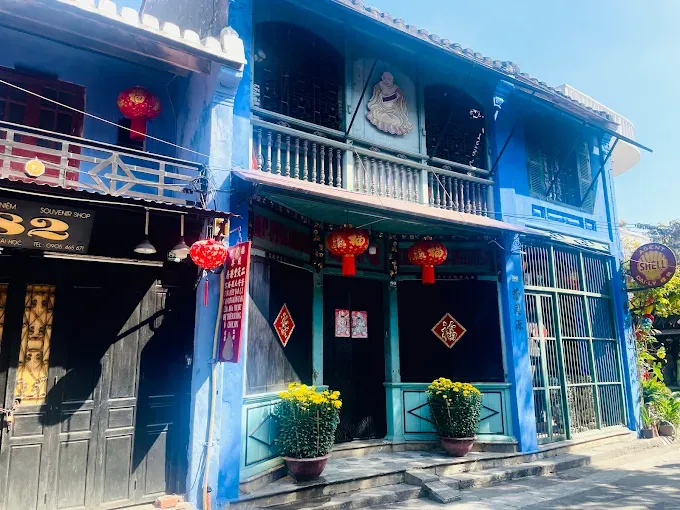
This house was built in the late 19 century. The ancestors of the owner is a U.S. trader. In particular, the interior decoration were an combination of Vietnames, Chinese and Japanese style.
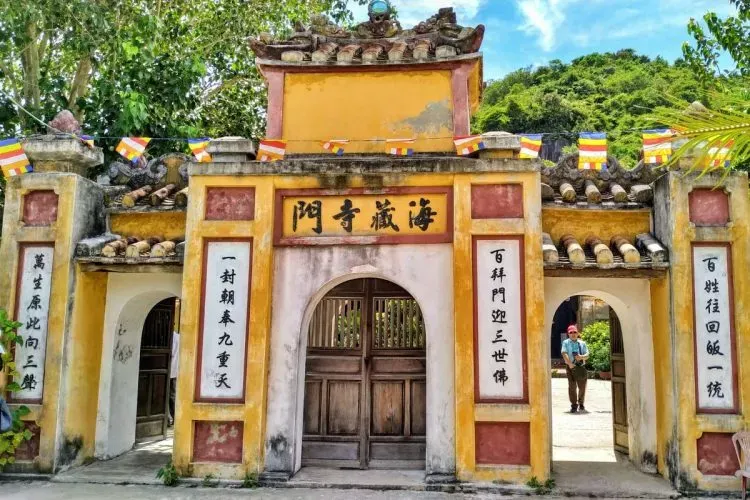
Hai Tang Pagoda is an ancient Buddhist temple located on Cu Lao Cham Island, near Hoi An in Quang Nam Province, Vietnam. The pagoda was originally built in 1758 during the 19th year of the Canh Hung reign. It is situated at the foot of a western mountain on Hon Lao Island, backed by the mountains and facing a small valley that contains the only rice field on Cu Lao Cham.
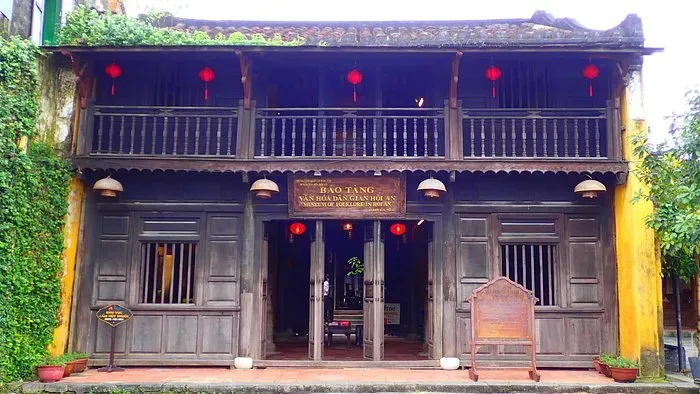
The Hoi An Museum of Folk Culture, located at 33 Nguyen Thai Hoc Street, is the largest wooden two-storey house in the ancient town with a length of 57 meters and a width of 9 meters. It fronts the two parallel streets of Nguyen Thai Hoc and Bach Dang.
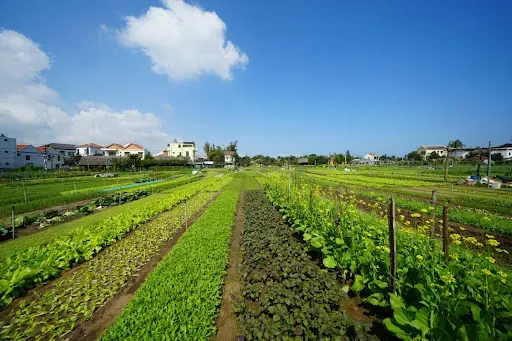
Trà Quế Vegetable Village belongs to Cấm Hà commune, about 2,5 kilometers from the center of Hội An to the north. The village was formed in the sixteenth century. Undergoing many changes throughout history, Trà Quế people continue to live and preserve the traditional values of the village.
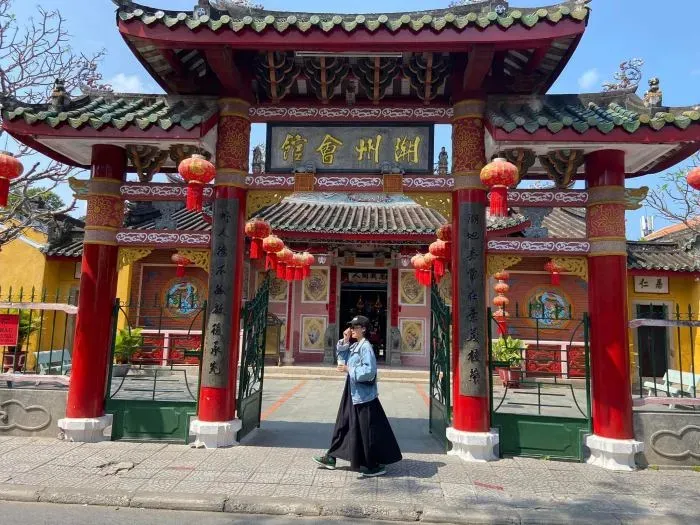
This assembly hall was built by Chinese overseas coming f-rom Trieu Chau (China) in 1845. It is dedicated to the God of Wind and Big Waves.

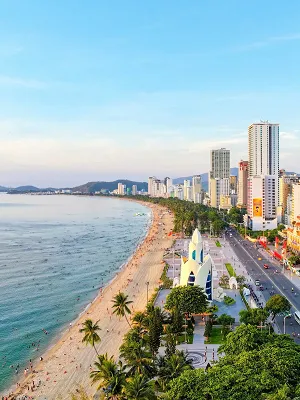
Cua Dai literally means the 'big sea mouth'. Cua Dai beach is located in the area of Cam An Ward, about 4km to the north-east of Hoi An Town, Quang Nam Province. Cua Dai Beach is over 3km in length and up to 300m in width. The beach boasts fine white sand, clear and blue water, moderate slopes and small waves, which make it ideal for recreational activities like swimming and other sea sports.
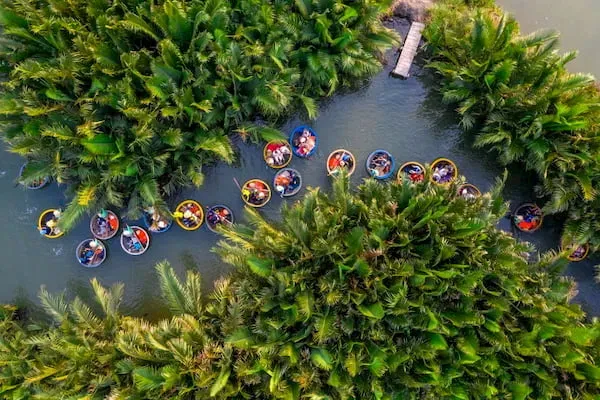
Located approximately 5km East of Hội An ancient town, with an area of 57.68 hectares, Cẩm Thanh Nipa Palm Site is embraced by many rivers, making quite a beautiful picture of "Immense water where greenness rise up"
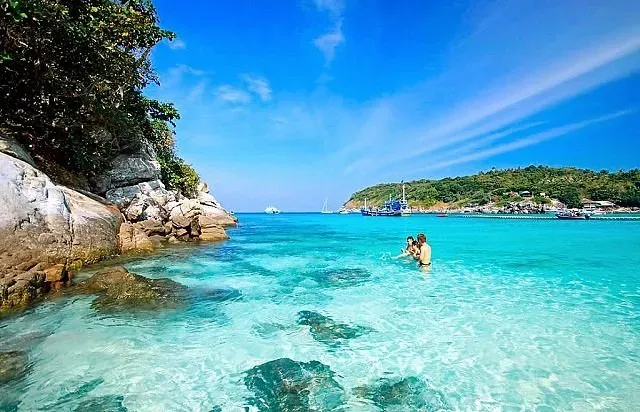
Cu Lao Cham is under the administration of Tan Hiep Commune of Hoi An city in Quang Nam province, about 15 km from Cua Dai Beach. Cham Islands (also known by other names as Chiem Bat Lao, Tiem Bich La, Pa-lau-cham) is about 15 km2 with more than 2,900 people living separately from mainland. Within 8 small islands stretching along the green bow, Cu Lao Cham is one of many pristine site be put into operation in recent years in Quang Nam. Everybody will be attracted by its beauty for the first time visit. It looks amazing with the green of forest and blue of the sea, the white ribbon of beach sand sparkling under the yellow sunshine, and the blue sky…
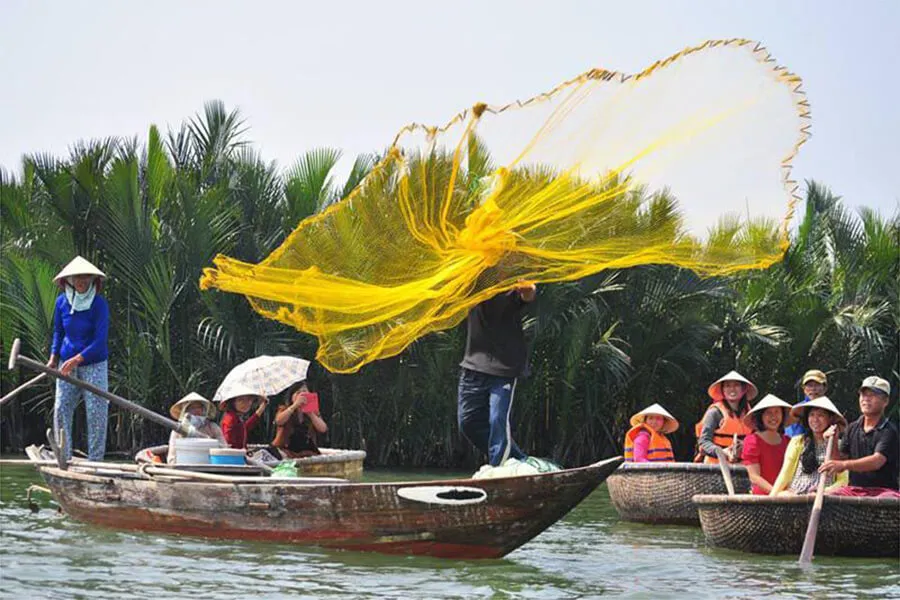
The fishing Village Thanh Nam (also called Con Chai) is shaped by the beautiful Thu Bon River. Fishermen have come here for a long time to cast their nets and catch prawns, crabs and fish. The fishing village is still active nowadays, even with the appearance of modern fishing ships going to far fishing areas in the East Sea. The village is just 3 km away f-rom Hoi An ancient town and it can be accessed by boat and bicycle.
Your Bag
×